معرفی
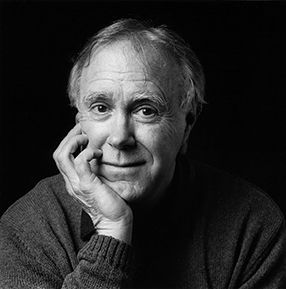
Robert Hass (born March 1, 1941) is a distinguished professor in poetry and poetics at the University of California, Berkeley, where he has shaped contemporary American poetry for decades. He served as the United States Poet Laureate from 1995 to 1997 and as a Chancellor of the Academy of American Poets from 2001 to 2007, leveraging these roles to expand poetry's public reach through initiatives like the 'Poet Laureate Projects' that brought poetry to schools and communities nationwide.
Hass completed his academic foundation at:
- St. Mary’s College, Moraga, California (undergraduate)
- Stanford University (MA and PhD in English)
His creative and critical work centers on poetry's intersection with nature, politics, and daily life, characterized by precise imagery and meditative lyricism. As a translator, he revitalized Japanese haiku through The Essential Haiku and collaborated with Czeslaw Milosz on Polish poetry translations, significantly influencing cross-cultural literary dialogue. His essays in Twentieth Century Pleasures and What Light Can Do dissect poetic craft while advocating for imagination's role in ecological and social awareness.
Hass's publications reveal a trajectory from early personal lyricism toward expansive engagements with history and ecology, consistently examining American identity through natural landscapes. His later works like The Creek in Shirley Canyon (2025) deepen this fusion of political urgency and environmental consciousness, maintaining conversational accessibility amid profound thematic complexity.
Major recognitions include:
- National Book Award and Pulitzer Prize for Time and Materials (2007)
- National Book Critics Circle Award for Sun Under Wood (1996)
- William Carlos Williams Award for Praise (1979)
- Wallace Stevens Award for lifetime mastery (2014)
While specific grant histories remain undocumented in source materials, Hass's Poet Laureate tenure featured federally funded outreach programs. His mentorship at UC Berkeley has cultivated generations of poets, though individual student names aren't cited. Collaborations with figures like Milosz and his marriage to poet Brenda Hillman underscore his embeddedness in literary networks.
As a humanities scholar, Hass operates outside traditional laboratory structures, instead influencing culture through workshops, public readings, and editorial projects that position poetry as vital civic discourse.