معرفی
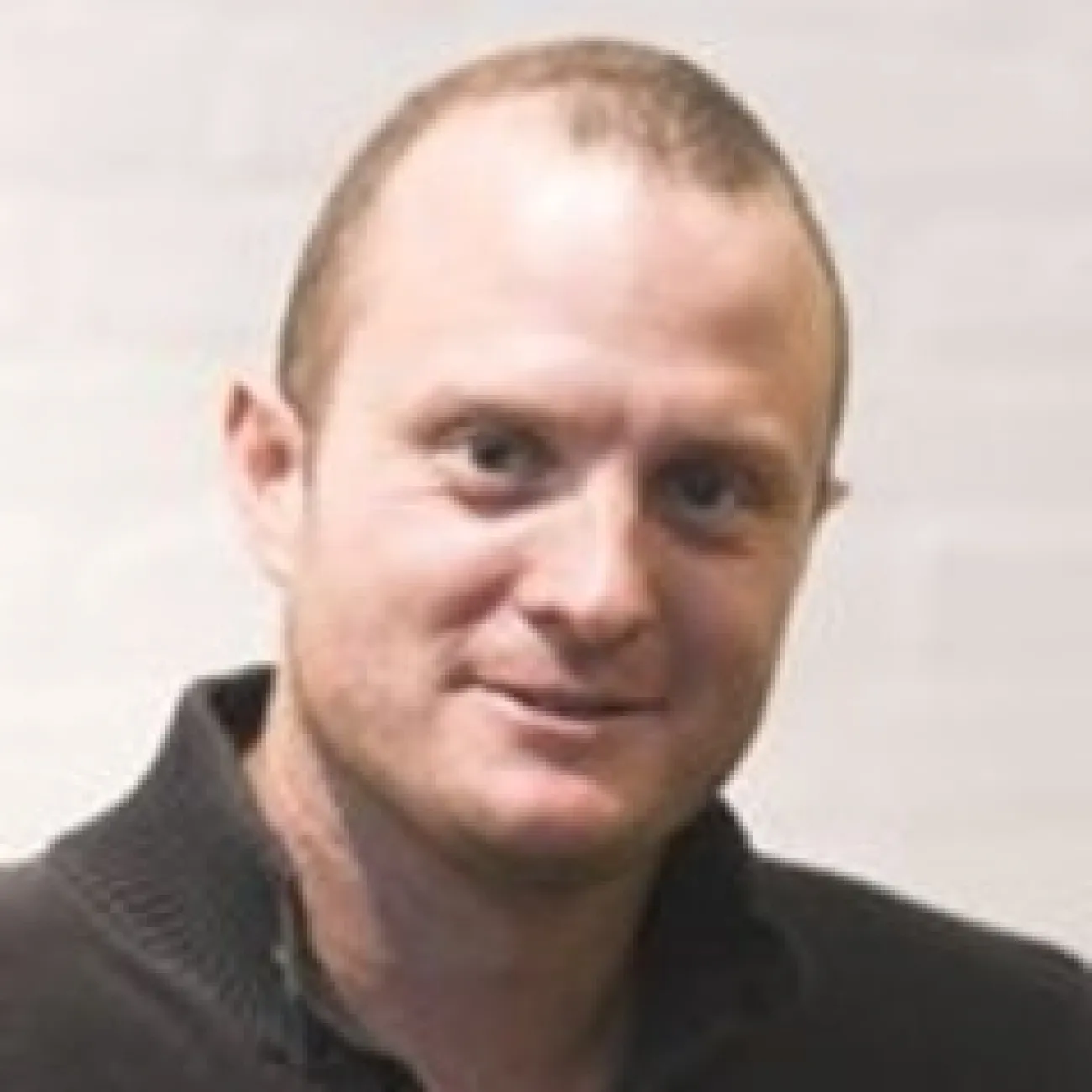
Robert Fry is a Lecturer at the University of Reading, affiliated with the School of Archaeology, Geography and Environmental Science. He specializes in geophysical surveying, data processing, and interpretation, supporting both research and teaching in archaeological prospection. He is actively involved in field-based geophysics, equipment maintenance, and the creation of detailed geophysical reports.
Robert's research interests focus on geophysical survey methods, GIS applications in archaeology, data processing, and archaeological interpretation. His work integrates environmental dynamics with sensor responses, particularly in resistivity and magnetometry. He has contributed to major projects such as the Silchester Mapping Project and the DART (Detection of Archaeological Residues using Remote Sensing Techniques) initiative, advancing methodologies in non-invasive archaeological exploration.
His recent publications (2014–2024) demonstrate a consistent focus on geophysical techniques including gamma ray spectroscopy, time-lapse imaging, magnetometer visualization, and multi-sensor integration. The articles reflect interdisciplinary trends combining archaeology, environmental science, and geophysics, with strong emphasis on methodological innovation and practical application in field settings.
Scientific Contributions and Awards:
- Active member and former Management Committee member of the International Society for Archaeological Prospection (ISAP)
- Key contributor to the Silchester Mapping Project and DART Project
- Extensive publication record in high-impact journals such as Archaeological Prospection and Archaeological Journal
Robert Fry is involved in mentoring students and supporting research through technical and academic guidance. While specific grants are not listed, his participation in multi-year, collaborative projects like Silchester and DART suggests involvement in funded research initiatives. He has advised on data interpretation strategies and analytical frameworks for unmarked grave detection and urban archaeological mapping.
Research Groups and Teams:
- Detection of Archaeological Residues using Remote Sensing Techniques (DART)
- Interactions between Soil Science and Geophysics in Archaeological Prospection (ISSGAP)
- International Society for Archaeological Prospection (ISAP)
- Walker Institute (interdisciplinary environmental research)