معرفی
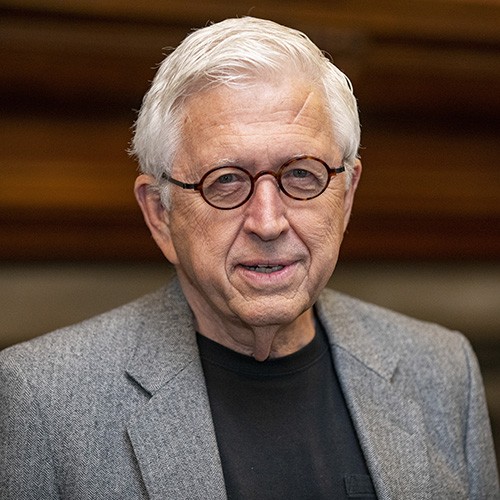
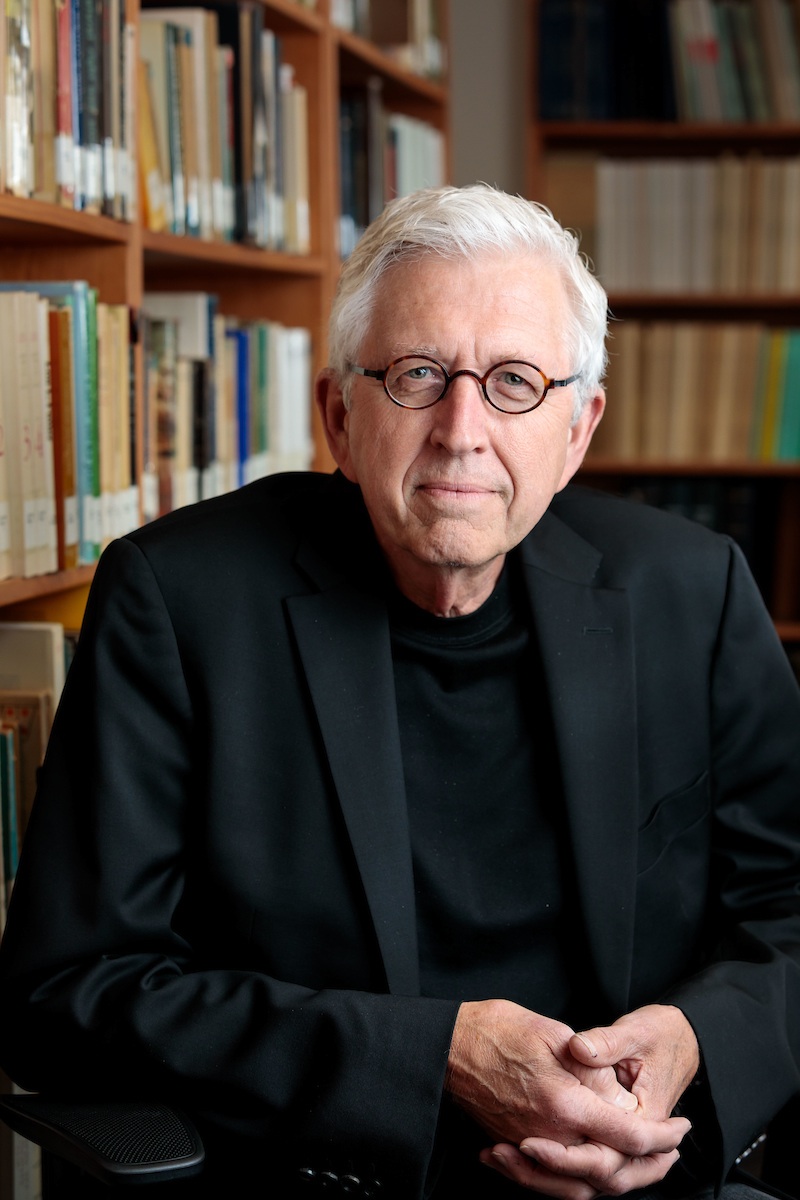
Robert B. Pippin is the Evelyn Stefansson Nef Distinguished Service Professor in the Committee on Social Thought, the Department of Philosophy, and the College at the University of Chicago. He is a leading scholar in modern German philosophy, with major contributions to the understanding of Kant, Hegel, and their implications for contemporary thought. His work bridges philosophy, literature, and film, making him a central figure in interdisciplinary humanities.
- University of Chicago – Committee on Social Thought
- Department of Philosophy
- The College
His research interests focus on German Idealism, especially Kant and Hegel, with extensions into political philosophy, aesthetics, theories of self-consciousness, and the philosophy of modernity. He has pioneered the philosophical analysis of film, particularly American cinema, including Westerns and film noir, showing how cinematic narratives engage deep philosophical questions about agency, fate, and self-knowledge.
The recent articles reflect a sustained engagement with Hegel’s logic and metaphysics, the philosophical dimensions of modern art and film, and the intersections of literature and moral philosophy. His publications demonstrate a consistent focus on the ways in which art and narrative can embody philosophical insight, especially in the context of modernity.
Notable scientific awards include:
- Mellon Distinguished Achievement Award in the Humanities
- Fellow of the American Academy of Arts and Sciences
- Fellow of the American Philosophical Society
- Fellow of the German National Academy of Sciences Leopoldina
Pippin has advised numerous students and is frequently invited to speak at major academic institutions worldwide. He has delivered lectures at Yale, Harvard, Stanford, Princeton, and international universities in Europe and Asia. His work is supported by prestigious fellowships and academic networks, and he is actively involved in ongoing research projects on Hegel, modernism, and cinematic philosophy. He has led seminars and workshops on topics ranging from neurophilosophy to the philosophy of education.
He is affiliated with several research initiatives and intellectual communities, including the John U. Nef Committee on Social Thought and the Department of Philosophy at the University of Chicago. His public lectures and writings demonstrate a commitment to making complex philosophical ideas accessible and relevant to broader cultural discussions.