معرفی
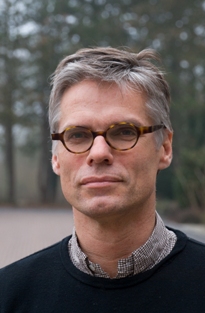
Prof. Dr. Rienk Dekker is an Associate Professor in the Department of Rehabilitation at the University of Groningen's Faculty of Medical Sciences, serving as a Consultant in Rehabilitation and Head of the Outpatient Department. His academic roles include a Visiting Professorship at Basalt Rehabilitation in The Hague. He specializes in rehabilitation medicine with a focus on active lifestyle integration, physical fitness optimization in rehabilitation populations, and spasticity management. His research explores topics like musculoskeletal disorders (e.g., complex shoulder conditions), diabetes-related neuropathy, and nutritional care for patients with chronic limb-threatening ischemia or amputations.
Research interests emphasize how increased physical activity and fitness enhance recovery outcomes, particularly in populations with vascular, musculoskeletal, or metabolic challenges. Key areas include optimizing functional capacity through tailored interventions and evaluating new technologies like self-adjusting insoles for patients with diabetic neuropathy.
Publications from 2024-2025 highlight collaborative work on nutritional needs post-amputation, patient self-management strategies for lipoedema, and cardiorespiratory fitness interventions for liver transplant candidates. His work bridges clinical practice and research, addressing both medical and psychosocial dimensions of rehabilitation.
Prof. Dekker collaborates with organizations like the NOC*NSF (Dutch Olympic and Paralympic Committee) to promote high-performance rehabilitation practices and active lifestyles for athletes with disabilities. He has been featured in media discussions on leveraging Paralympic inspiration for rehabilitation approaches and the role of lifestyle interventions in chronic disease management.
Notable contributions include protocol development for home-based lifestyle interventions and scoping reviews on nutritional status in amputee populations. His research often involves multidisciplinary teams across rehabilitation medicine, physiology, and biomedical engineering.