معرفی
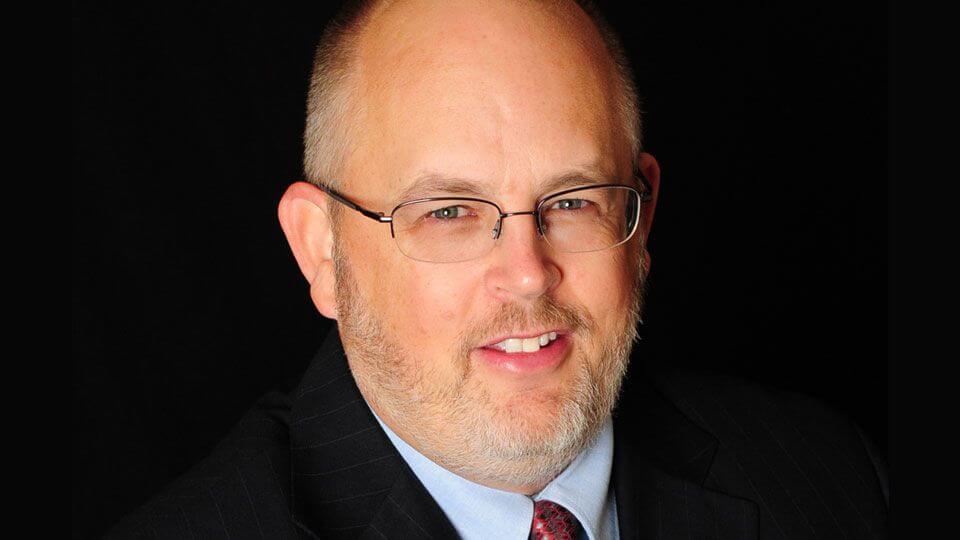
Rick Wadholm Jr. is an ordained Assemblies of God (USA) minister and professor at Evangel University's Assemblies of God Theological Seminary (AGTS). With 22 years of full-time pastoral experience across multiple denominations (AG, Mennonite, Reformed, and Methodist) and teaching since 2013, he specializes in Old Testament and Pentecostal theology. He serves as a visiting lecturer at numerous seminaries worldwide and is a regular speaker at churches, camps, and conferences across the United States.
His educational background includes:
- PhD in Old Testament and Pentecostal Theology from Bangor University, Wales, UK
- MDiv Honours in Old Testament and Theology from Providence Theological Seminary, Otterburne, MB
- BA in Biblical Studies and Global Studies from Trinity Bible College, Ellendale, ND
Dr. Wadholm's research focuses on the intersection of Old Testament studies and Pentecostal theology, with particular interest in pneumatology in the Former Prophets, biblical hermeneutics, women in ministry, and Karl Barth studies. His approach combines rigorous academic scholarship with practical ministry application, challenging traditional interpretations while remaining grounded in Pentecostal distinctives. Recent publications examine prophetic prayer patterns, Satanology in Isaiah and Ezekiel, and the relevance of Barth for Pentecostal theology.
Professional affiliations and honors include:
- Book Review Editor of the Canadian-American Theological Review
- Member and Executive Officer of the Canadian-American Theological Association
- Member and Student Caucus Liaison of the Society for Pentecostal Studies
- Multiple Education Vision Awards from Trinity Bible College (2015-2019)
- Warren D. Schlect Teacher of the Year (2016)
Dr. Wadholm advocates for online theological education as a strategic means to reach unreached people groups and students in 'creative access countries.' His teaching philosophy emphasizes developing effective reading strategies for graduate students and creating supportive learning communities where students can discuss complex theological concepts. He maintains an active blog where he shares scholarly insights accessible to both academic and church audiences.