معرفی
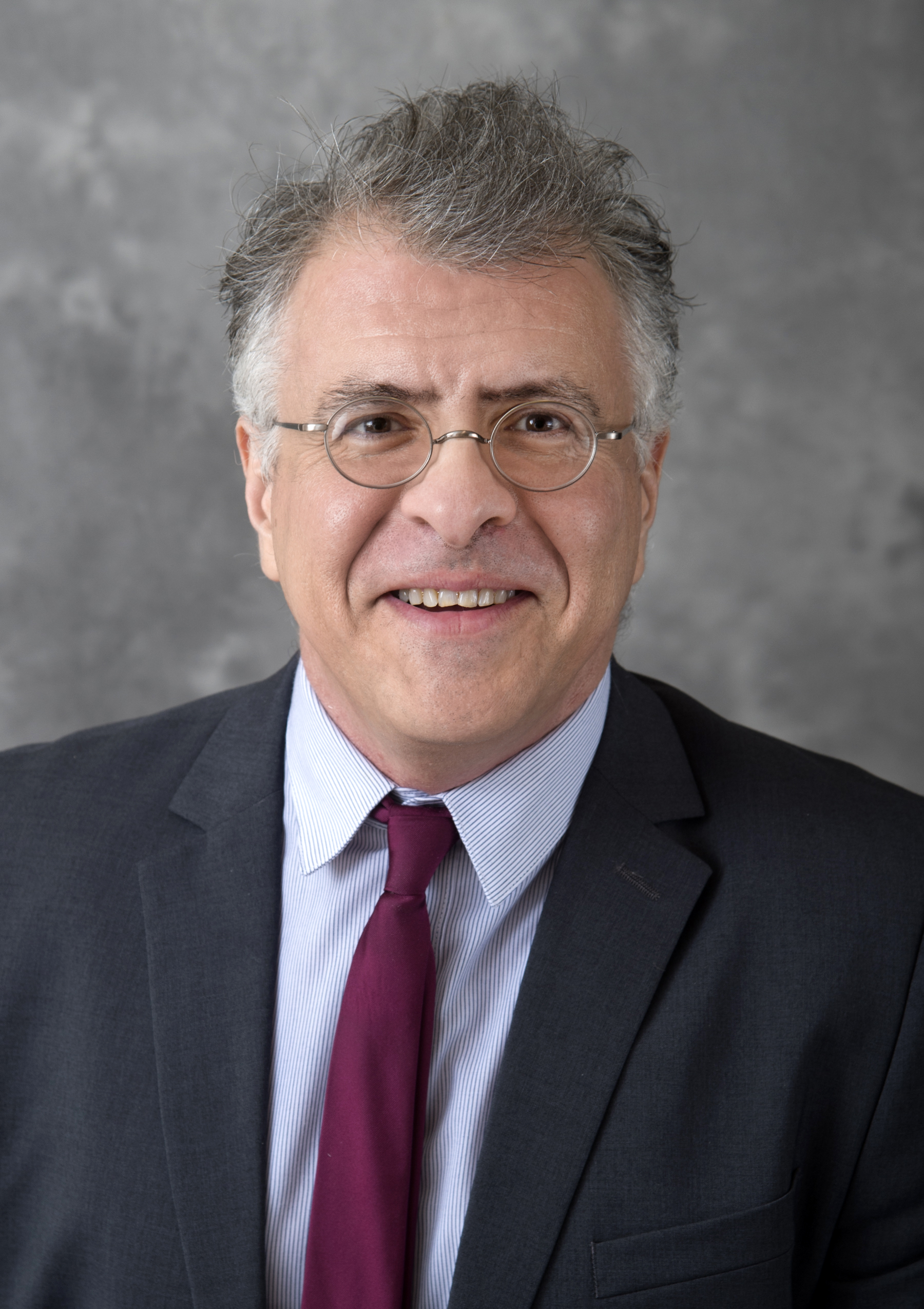
Rick Rodriguez serves as Associate Professor of English in the Weissman School of Arts and Sciences at Baruch College, City University of New York (CUNY), where he teaches core literature courses including Survey of American Literature I, Great Works of Literature II, and Ethnic Literature across multiple semesters from 2013 to Spring 2025.
His academic credentials include:
- Ph.D. in English from Loyola University Chicago
- M.A. in English from Florida International University
- B.A. in English from Florida International University
Rodriguez specializes in 18th-19th century American literary studies with critical focus on sovereignty, revolutionary movements, and transnational connections between U.S., Cuban, and Caribbean contexts. His work interrogates how concepts of immunity and political authority manifest in literary texts, particularly examining racial formations and postcolonial perspectives within canonical and marginalized narratives. This research intersects with broader themes of globalization, ethnic identity, and the literary construction of revolutionary subjectivity.
His publication trajectory reveals consistent engagement with sovereignty studies across American literary history, evolving from Poe's political philosophy (2012) to Hawthorne's utopian visions (2025). Key thematic threads include Cuban-U.S. literary entanglements (evident in multiple 2016-2019 works), the servant's subversive agency in postcolonial texts, and reconceptualizations of revolution through sovereignty frameworks.
Professional recognition includes:
- Academic Leave (Fall 2020) from WSAS Office of the Dean
- Global Themed Freshman Learning Community Course grant with teaching release (Weissman College, 2016)
Rodriguez maintains active service commitments as Department Curriculum Committee Chair, English Department Executive Committee member, and faculty organizer for events like the Student Poetry Event. His committee work spans honors admissions, Latinx literature searches, and cross-school collaborations with Zicklin Business School. While no formal research grants are documented, his 2020 academic leave indicates institutional support for scholarly development.
No laboratory facilities, research teams, or collaborative scientific infrastructure are referenced in his professional profile.