معرفی
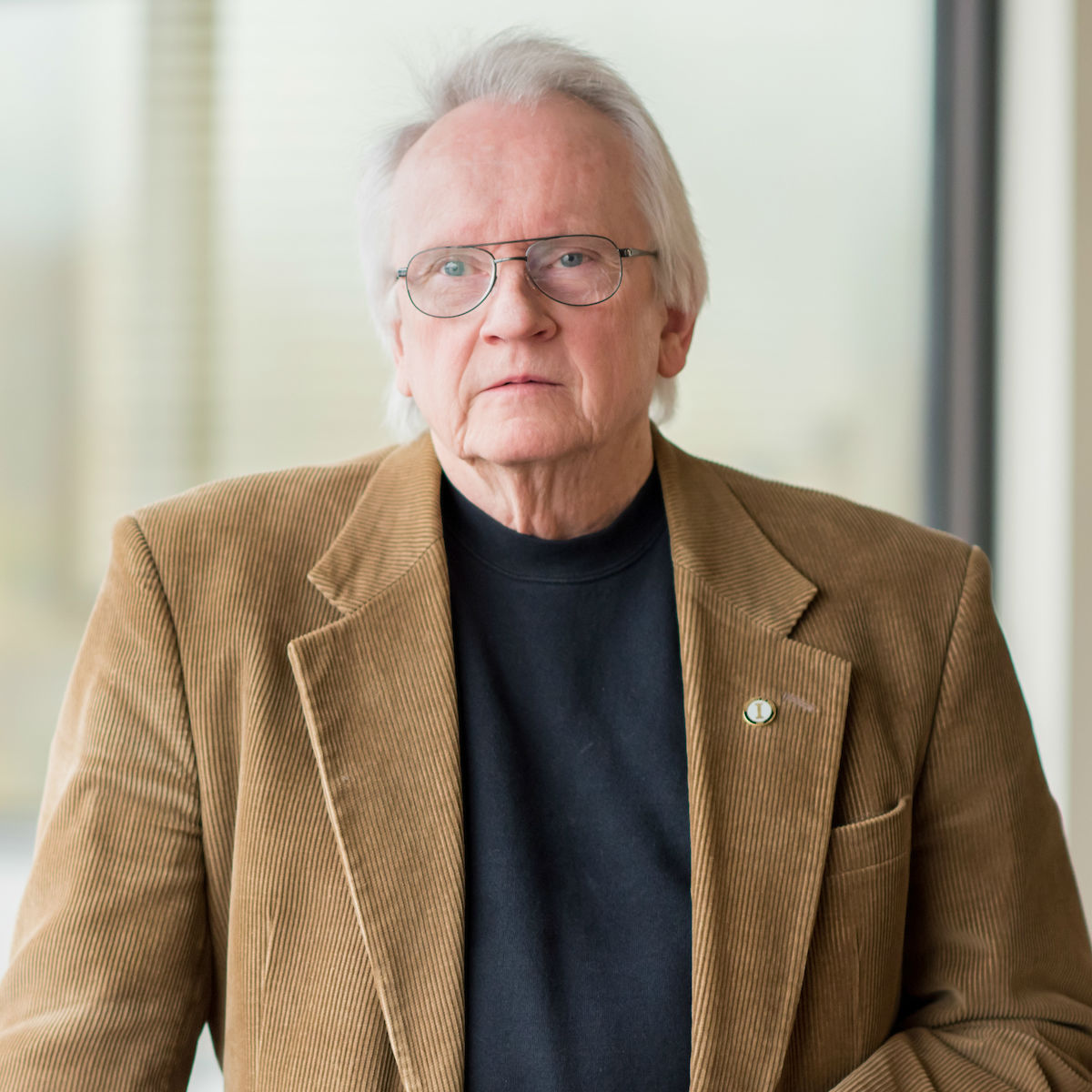
Richard Reardon is a Professor in the Department of Psychology & Communication at the University of Idaho, part of the College of Letters, Arts and Social Sciences. He is based at the Coeur d'Alene Center and serves as Director of the Organizational Sciences Program. He teaches courses including Introductory Psychology, Human Relations in the Workplace, Systems and Projects, and Methods and Analysis in Organizational Sciences.
Reardon earned his Ph.D. in Social Psychology with a co-major in Complex Processes from the University of Georgia in 1981, an M.S. in Experimental Psychology from the same institution in 1978, and an A.B. in Psychology and Anthropology from the University of North Carolina at Chapel Hill in 1973. Prior to joining the University of Idaho in 1998, he spent 18 years on the faculty at the University of Oklahoma. He held administrative roles including Associate Dean for Outreach in Northern Idaho and Interim Associate Vice President and North Idaho Center CEO, returning to full-time faculty in 2017.
His research focuses on social cognition, deception, organizational systems, memory generation effects, source monitoring, persuasion, and math resistance. His work explores how people judge reality, the psychological impact of deception on deceivers, leadership disappointment, and the cognitive benefits of self-generated learning. He has also investigated gender differences in manipulation tactics and achievement motivation in students.
His recent publications span topics from deceptive communication to mass media psychology and memory effects. These works reflect a consistent interest in cognitive and social mechanisms underlying behavior, with applications in education, organizational design, and communication.
- Effects of deception on the deceiver (2018)
- When are we most disappointed by our leaders? (2013)
- A psychology of mass communication (2001)
- Implicit achievement motives and test anxiety (1998)
- Gender and manipulation in relationships (1996)
- Self-generated product information memory (1996)
- Self-concept and reality judgments (1995)
Reardon has secured major external funding for projects in curriculum development, disabilities evaluation, vaping awareness, and gamification. He has collaborated with colleagues such as S. Meier, T. Thorsteinson, and J. Beeston. His current research includes the gamification of energy use feedback, video speed-watching effects on memory, and using isomorphic games to reduce math resistance. He has been teaching Introductory Psychology for over three decades in large lectures, small honors classes, and online formats since 2002.
He is actively involved in educational outreach and innovation, contributing to both undergraduate and graduate programs in psychology and organizational sciences. His interdisciplinary approach integrates cognitive, social, and organizational psychology to address real-world problems.