معرفی
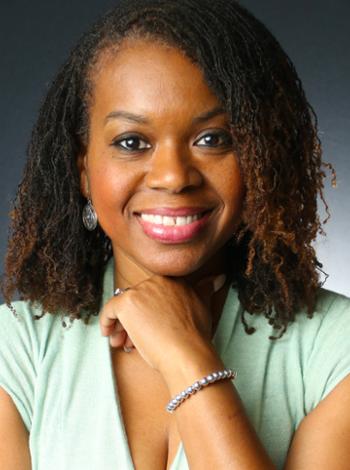
Dr. Richard Purcell is Associate Professor of English and holds the Hubert H. McAlexander Chair at the University of Mississippi, where he is affiliated with the Department of English in the College of Liberal Arts. He serves as Director of the interdisciplinary Cinema Studies minor and teaches courses in American literature, race and ethnicity, and contemporary cinema.
- Position: Associate Professor, Hubert H. McAlexander Chair
- Institution: University of Mississippi
- Department: Department of English
- School: College of Liberal Arts
- Programs: English (B.A., Ph.D.), Cinema Studies (Minor)
Dr. Purcell earned his B.A. in English Literature from Rutgers University (1996), followed by an M.A. (1999) and Ph.D. in Cultural and Critical Studies (2008) from the University of Pittsburgh. He previously served on the English faculty at Carnegie Mellon University before joining the University of Mississippi in 2022.
His research focuses on Black cultural production, film and media studies, sound studies, and critical theory. He explores intersections of race, aesthetics, technology, and political economy, particularly in post-1945 American literature and media. His expertise includes Black literature, poetry, music, visual art, and performance, as well as media theory and the cultural Cold War.
The body of Dr. Purcell’s scholarly work reflects deep engagement with Black intellectual history, independent cinema, and the ontological status of art under neoliberalism. His publications span journals like boundary 2, Jump Cut, CLS, and Public Books, covering themes such as racial discourse, surveillance, public art, and the cultural impact of market liberalization. His current book projects examine graffiti and experimental film in 1970s New York and the influence of economic shifts on Black artists’ self-conception.
He holds the distinguished Hubert H. McAlexander Chair in English, recognizing his contributions to scholarship and interdisciplinary education.
- Hubert H. McAlexander Chair in English
Dr. Purcell advises interdisciplinary programs and contributes to curriculum development, particularly in cinema and Black studies. Though specific grants and advisees are not listed, his leadership in the Cinema Studies minor and extensive publication record suggest active scholarly mentorship and research funding engagement. He has presented in major venues across literary, media, and cultural studies.
His work bridges literary scholarship with media practice and urban culture, contributing to dynamic conversations in Black studies, media archaeology, and aesthetic theory. His current projects position him at the forefront of interdisciplinary research on art, politics, and surveillance in late 20th-century America.