معرفی
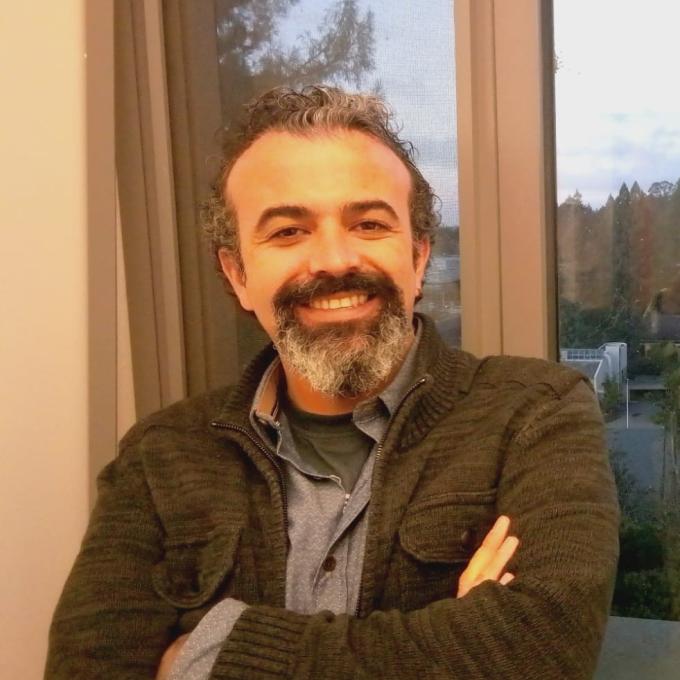
Reşat Kasaba is a Professor at the Henry M. Jackson School of International Studies, University of Washington, where he has taught undergraduate and graduate courses for over 30 years. He currently directs the Interdisciplinary Ph.D. Program in Near and Middle Eastern Studies and served as the director of the Jackson School from 2010 to 2020. His expertise centers on the political and economic history of the Middle East, particularly Turkey.
His educational qualifications include:
- Ph.D. in Sociology, State University of New York at Binghamton, 1986
- M.A. in Sociology, State University of New York at Binghamton, 1978
- B.S. in Economics and Statistics, Middle East Technical University, Ankara, Turkey, 1976
Professor Kasaba's research interests encompass political economy, economic history, state-society relations, migration and refugee studies, ethnicity and nationalism, urban history, and U.S. foreign policy in the Middle East. His work often focuses on modern Turkey, analyzing the rural-urban divide and the historical trajectory of state formation.
His scholarly output features four influential books that explore the dynamics of empire, migration, modernity, and legal systems in the Ottoman and Turkish contexts. Collectively, these works contribute to understanding the complex interplay between social forces, national identity, and political economy in the region.
He has been recognized with the UW Distinguished Teaching Award. Additionally, he has held leadership roles in prominent academic associations:
- President, Association of Professional Schools of International Affairs (2017-2019)
- Board Member, Middle East Studies Association of North America (2015-2018)
Professor Kasaba is actively involved in graduate education, currently accepting new MA students for the 2026-2027 academic year and mentoring Ph.D. candidates through the Interdisciplinary Ph.D. Program. His teaching covers diverse topics including world cities, state-society relations, and the modern Middle East.


.jpeg)