معرفی
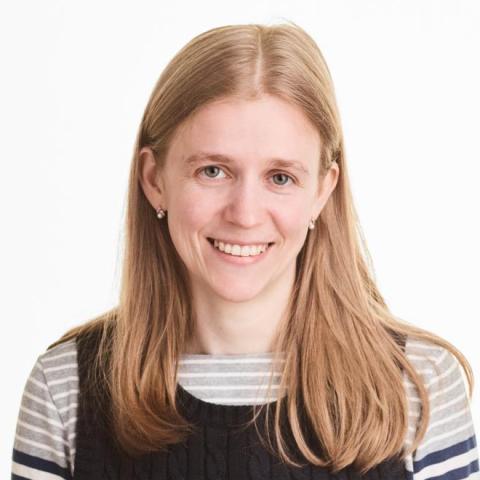
Rebecca Tushnet is the Frank Stanton Professor of the First Amendment at Harvard Law School. She specializes in intellectual property law, focusing on copyright, trademark, and free speech issues. Her work integrates legal analysis with emerging technologies like AI, addressing topics such as AI-generated art, digital content moderation, and corporate liability. Tushnet has contributed to landmark cases involving trademark dilution, false advertising, and the public domain. She is a frequent commentator on high-profile legal disputes, including those involving Taylor Swift, OpenAI, and Meta. Tushnet co-founded the Organization for Transformative Works, advocating for fan creators’ rights, and maintains a prominent legal blog recognized by the ABA. She teaches courses on Copyright, Trademark, and Advertising Law at Harvard, emphasizing practical and theoretical dimensions of IP law.
Education & Professional Background:
- Clerkships: Supreme Court Justice David H. Souter and Third Circuit Judge Edward R. Becker
- Former Intellectual Property Attorney at Debevoise & Plimpton
- Adjunct and Visiting Professor Roles (implied through teaching history)
Research Interests: Tushnet’s research bridges traditional legal doctrine and modern challenges, including:
- Cognitive science’s impact on trademark law
- Free speech implications of platform moderation
- Ethical AI and copyright frameworks
- Public domain expansion and cultural access
Awards & Recognition: While no formal awards are listed, her ABA-ranked blog and frequent media engagements highlight her influence in legal discourse.
Grants & Advising: No specific grants listed, but her involvement with the Berkman Klein Center and policy discussions indicates collaborative projects. She advises on AI governance and IP policy at national levels.
Labs & Teams: Active at the Berkman Klein Center for Internet & Society, focusing on misinformation, tech ethics, and digital rights. Collaborates with interdisciplinary teams on projects like the Evidence Summer Workshop and Unavailability Project.