معرفی
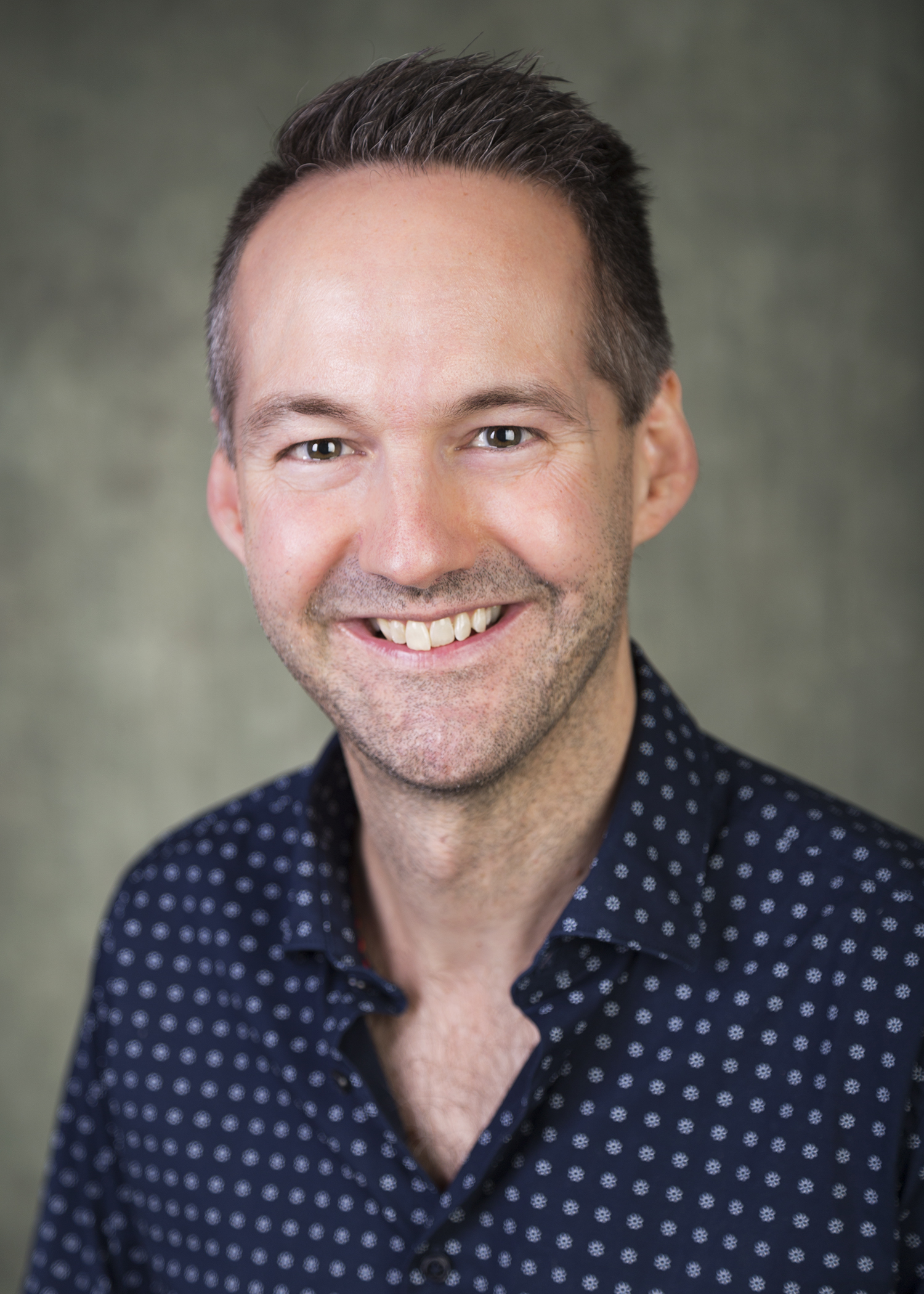
Dr. Rebecca Fuller is a Senior Lecturer in Chemistry at the School of Natural Sciences, University of Tasmania, specializing in the development of magnetic molecules and materials for diverse applications including medical imaging, information storage, and environmental remediation.
Her educational background includes a BSc(Hons) from the University of Western Australia (2002) followed by a PhD in Synthetic Chemistry and Condensed Matter Physics (UWA 2011). She undertook postdoctoral research before securing an independent UWA Research Fellowship (2014-2018), then worked as an ARC DECRA recipient at Curtin University (2018-2019) prior to her appointment at UTAS in September 2019.
Dr. Fuller's research expertise spans Inorganic Chemistry, Magnetism, Coordination Chemistry, Lanthanoids, Synthesis of Materials, NanoChemistry, and Organic Radicals. Her work focuses on systematically varying molecular systems to understand how structural features affect magnetic or catalytic properties, with applications ranging from medical imaging contrast agents to environmental remediation technologies. She employs advanced synthesis techniques to develop novel materials with tailored properties for specific applications.
Analysis of her recent publications reveals a strong emphasis on molecular magnetism, particularly with rare earth and transition metal complexes, organic radicals, and their applications in energy storage, environmental remediation (particularly microplastic removal), and medical imaging technologies. Her work demonstrates interdisciplinary collaboration across chemistry, materials science, and environmental engineering.
- 2021 RACI Rita Cornforth award
- 2014 UWA Research Collaboration Award
- 2012 Cancer Council WA Early Career Investigator Award
- 2012 UWA Research Development Award
- 2011 Graduate Women (WA) Jillian Bradshaw Award
- 2002 A.R.H. Cole Prize in Chemistry (Physical and Inorganic)
Dr. Fuller currently supervises four doctoral students on projects related to organic radical polymers, advanced magnetic materials, and nanocomposites for environmental applications. Her research is supported by multiple grants including an ARC Magnetometry Facility grant ($620,000) and an ARC Discovery Early Career Researcher Award ($348,575). She teaches advanced courses including Catalysis and Advanced Inorganic Chemistry, Structure and Materials, and Organic and Inorganic Chemistry.
Her research group maintains strong collaborative networks across Australian institutions, focusing on magnetic materials synthesis, characterization, and application development. Current projects include developing new radical-based polymers, magnetic nanocomposites for environmental remediation, and advanced materials with tailored magnetic properties for information storage applications.