معرفی
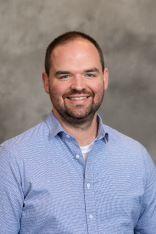
Rasmus Hartmann-Petersen is a Professor at the Department of Biology, University of Copenhagen, where he also serves as Head of Section for Biomolecular Sciences since August 2022. His research focuses on intracellular protein degradation via the ubiquitin-proteasome system, with particular emphasis on protein quality control mechanisms related to disease-linked proteins and intrinsically disordered proteins.
Education:
- Ph.D., University of Copenhagen, Denmark (2002)
- M.Sc. in Biochemistry, University of Copenhagen, Denmark (1998)
Hartmann-Petersen's research program centers on understanding how the ubiquitin-proteasome system targets abnormal or misfolded proteins for degradation, with specific applications to genetic disorders. His laboratory employs yeast and mammalian cell culture models combined with genetic, biochemical and molecular cell biological approaches to investigate protein quality control mechanisms. His work has significant implications for understanding hereditary diseases where protein misfolding plays a critical role.
Analysis of his recent publications reveals a strong focus on protein quality control mechanisms, genetic variant characterization, and disease-related protein dysfunction. His research spans from fundamental protein biochemistry to translational applications in metabolic and neurodegenerative disorders. Key themes include the structural basis of protein function, mechanisms of protein degradation, and the cellular consequences of disease-associated mutations.
Scientific Recognition:
- Voted Teacher of the Year at the Department of Biology, University of Copenhagen (2023)
Hartmann-Petersen has supervised more than 30 M.Sc. students, 11 Ph.D. students, and 4 postdoctoral researchers. He serves as a mentor for students in the biochemistry and molecular biomedicine program and teaches courses in Gene Technology, Protein Chemistry and Enzymology, and Protein Science. His laboratory maintains active collaborations with research groups both within Denmark and internationally.
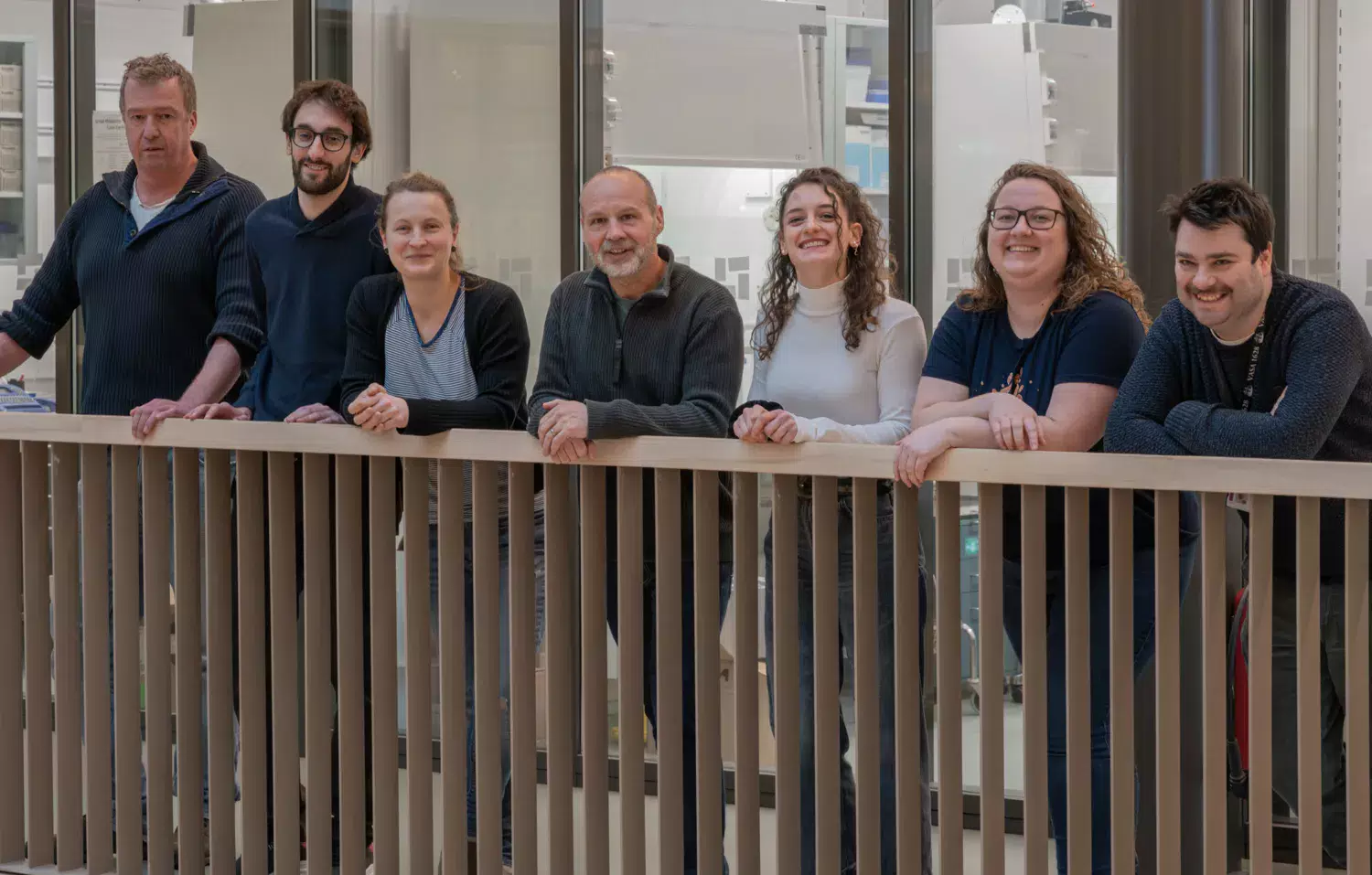
The Protein Biology Group, which he leads, operates at the intersection of protein biochemistry, cellular biology, and disease mechanisms, with particular expertise in protein quality control systems and their implications for human health.