معرفی
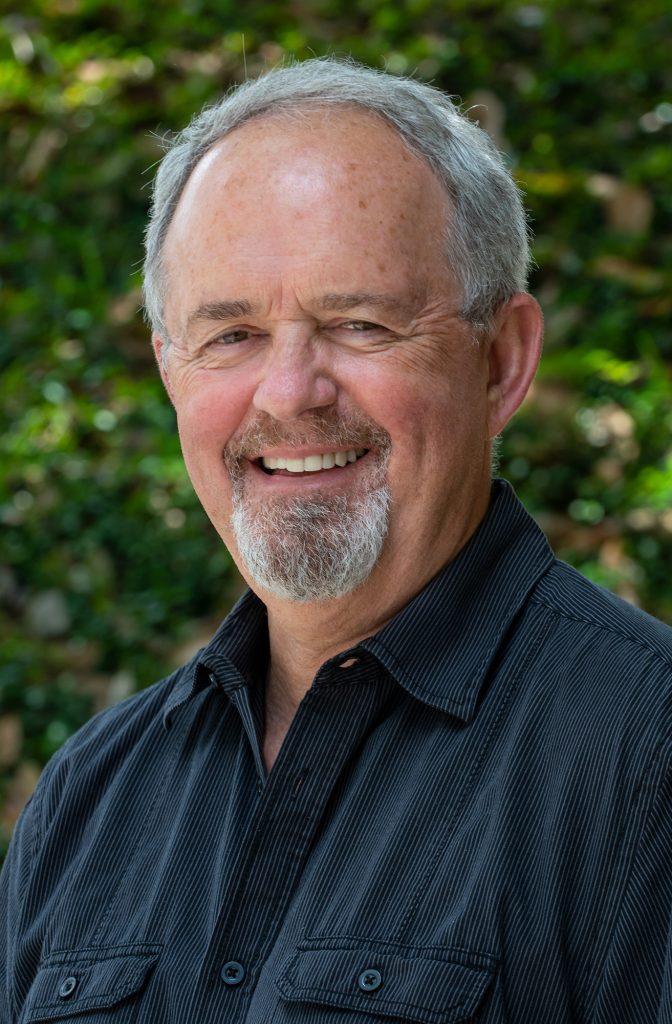
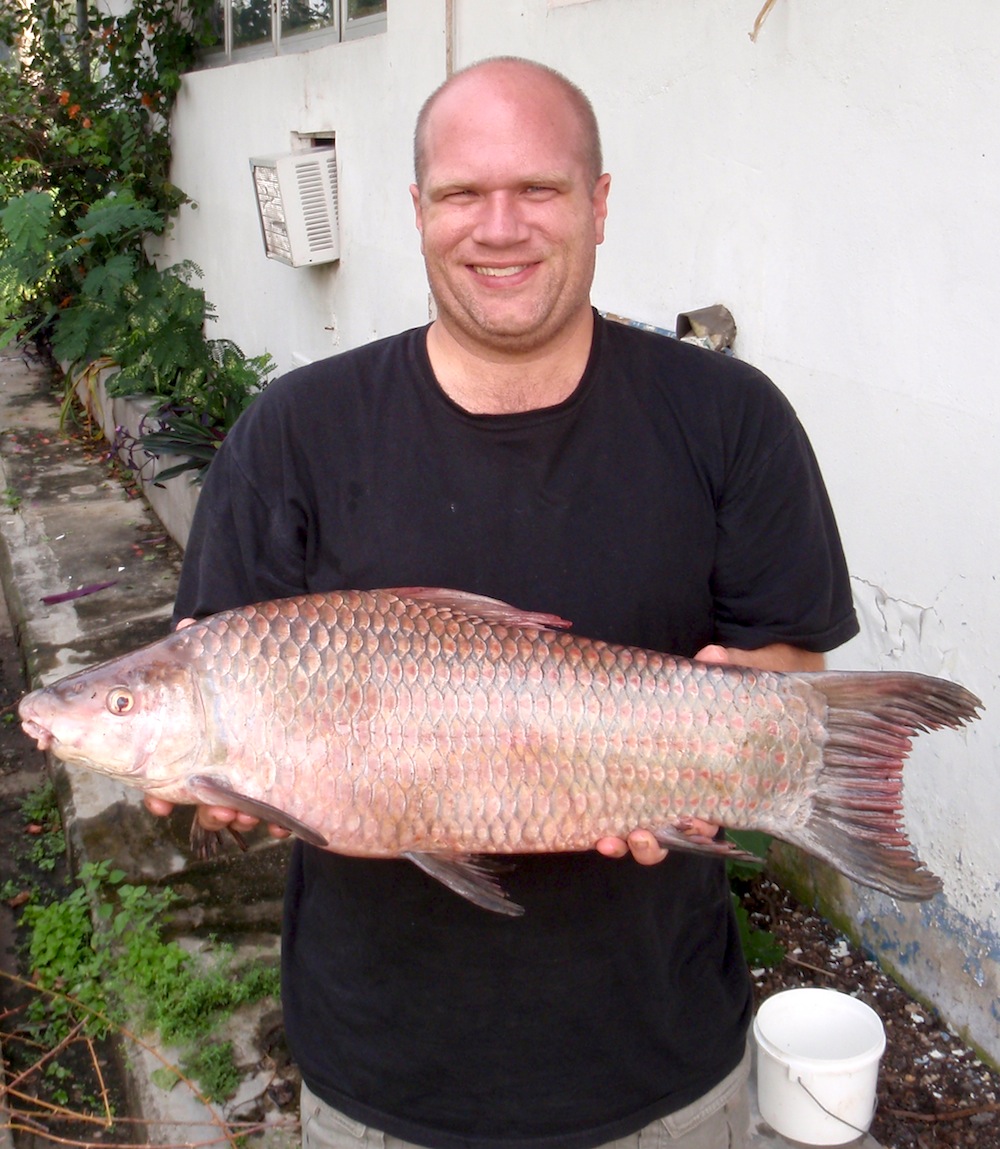
Randy Singer serves as Assistant Professor in the Department of Biological Sciences at Augusta University's College of Science and Mathematics, where his work bridges fish systematics, biogeography, and museum collection science. His research integrates fieldwork with historical specimen analysis to address ecological and taxonomic questions across diverse aquatic environments.
Education:
- Ph.D. in Ecology, University of Florida (2019)
- M.S. in Zoology/Animal Biology, University of Florida (2013)
- B.S. in Ecology, University of Georgia (2008)
Research Focus: Dr. Singer's program examines fish biodiversity through Southeast Asian loaches, North American freshwater systems, and deep-sea habitats, while pioneering museum curation innovations like specimen rehydration techniques. His work emphasizes natural history collections as critical infrastructure for biodiversity conservation, reflected in leadership roles with SPNHC and ASIH.
Publication Trends: Recent work demonstrates interdisciplinary convergence between traditional taxonomy and advanced imaging technologies (e.g., DiceCT for soft tissue visualization), alongside foundational studies on collection utilization and deep-sea assemblages. His scholarship consistently addresses methodological gaps in specimen-based research while expanding taxonomic knowledge of understudied fish groups.
Scientific Recognition:
- Board of Governors, American Society of Ichthyologists and Herpetologists (2024)
Academic Service: Actively mentors graduate students through committee service while leading national initiatives as Chairperson of the Society for the Preservation of Natural History Collections. His university contributions include faculty mentorship and administration of the Science Hall Aquarium, demonstrating commitment to both research infrastructure and public science engagement.
Research Infrastructure: Co-developed fishfindR.net (funded by NSF's iDigBio) to democratize museum data access, and serves on committees advancing curation standards across museum networks. His work positions regional collections as essential nodes in global biodiversity research frameworks.