معرفی
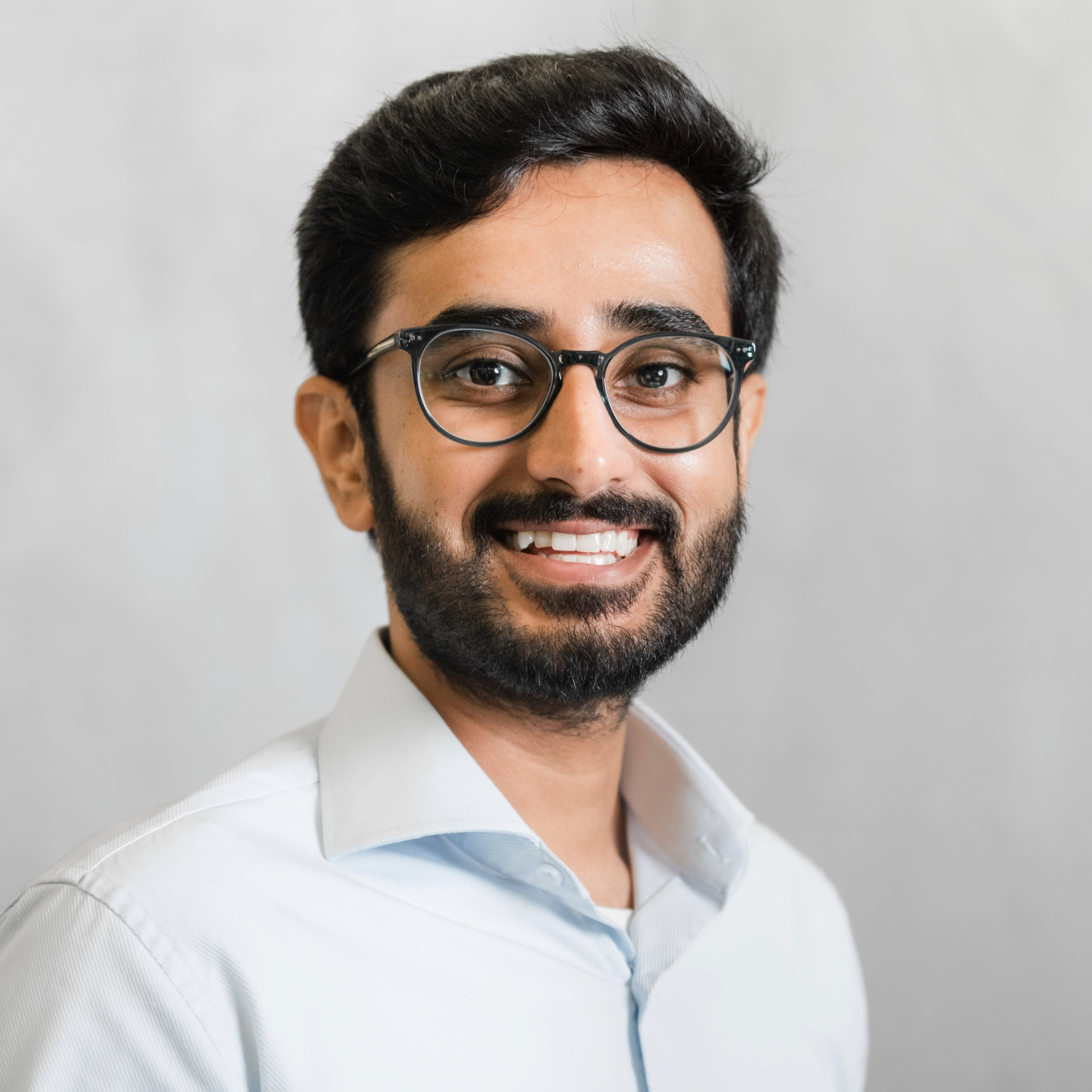
Raja Kushalnagar is a Professor in the School of Science, Technology, Accessibility, Mathematics, and Public Health at Gallaudet University, Washington, DC. He serves as Director of the BS Information Technology program and Co-Director of the Accessible Human-Centered Computing Program. His research focuses on accessible computing, particularly improving information access for deaf individuals through technologies like real-time captioning and sign language recognition. He advocates for updates to accessibility and intellectual property laws to integrate advancements in automatic captioning and subtitling.
Dr. Kushalnagar teaches courses in human-centered computing, accessible design, cybersecurity, and application development. His work spans over 100 peer-reviewed publications and grants from NSF, NIH, and industry partners. Notable projects include developing the Legion Scribe real-time captioning system, optimizing classroom accessibility through the Classroom Accessibility Analysis App, and designing AI-driven sign language avatars.
He has advised over 150 students across undergraduate, master's, and doctoral levels, emphasizing mentorship and research collaboration. Key contributions include co-chairing ACM ASSETS conferences since 2011, serving on the CRA-WP committee, and advising organizations like the Global Alliance for Speech-to-Text Captioning.
- Research Interests: Accessible computing, sign language technology, disability law, inclusive AI, STEM education equity
- Leadership Roles: ACM ASSETS Program Chair (2011–present), Teach Access Member, MITRE TRS Collaboration Lead
- Community Impact: Co-developed the Accessibility Standards I/II courses, led Gallaudet GenCyber camps for deaf students, and contributed to NASA's AstroAccess disability space exploration initiative
His work bridges technology and policy, addressing gaps in deaf accessibility across education, healthcare, and workplace communication. Recent trends in his publications emphasize ethical AI frameworks, LLM applications for deaf learners, and inclusive design for mixed-hearing environments.