معرفی
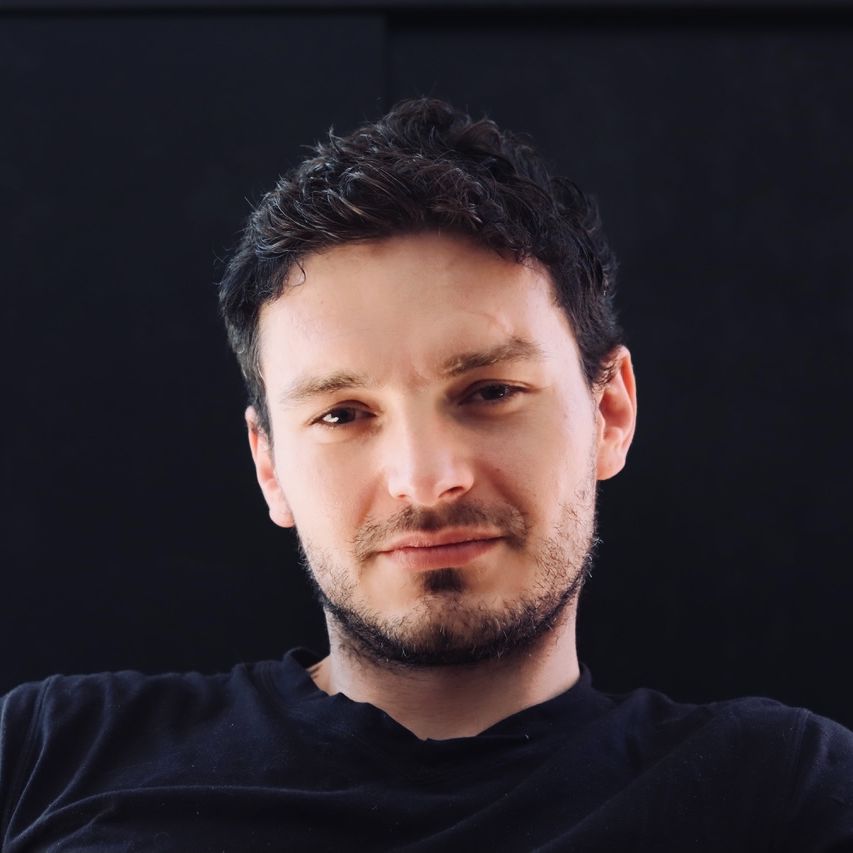
Associate Professor Rade Pantić is a faculty member at the Faculty of Media and Communications, Singidunum University in Belgrade, Serbia, specializing in critical theory at the intersection of art, media, and political economy. His academic profile reflects deep engagement with ideological critique and urban studies within contemporary cultural frameworks.
He holds a doctorate in Interdisciplinary Studies of Art and Media Theory from the University of Arts in Belgrade (2014), where his dissertation examined critical-materialist theories of representation. His educational foundation includes a degree in art history from the Faculty of Philosophy in Belgrade, establishing his theoretical grounding in visual culture and historical analysis.
Professor Pantić's research centers on the materialist analysis of symbolic formations, exploring how capitalism shapes cultural production through film, urban policies, and ideological structures. His work critically examines visibility politics, Marxist aesthetics, and the dialectics of urban space, with particular focus on Yugoslav cultural legacies and contemporary global capitalism. His methodology bridges continental philosophy with empirical cultural analysis.
His scholarly output, including the co-edited volume 'Contemporary Marxist Theory of Art' (2015), demonstrates consistent thematic focus on representation theory and ideological critique across art and media. This work establishes connections between critical theory traditions and contemporary cultural phenomena, particularly in post-socialist contexts.
He received the Ministry of Education and Science of the Republic of Serbia Scholarship (2011-2013), recognizing his research contributions. His academic service includes participation in high-profile intellectual debates such as the Peterson-Žižek discussion analysis and critical examinations of Yugoslav self-management in film culture.
Professor Pantić actively contributes to academic discourse through departmental seminars on political economy, urban studies, and ideology theory, while mentoring students in critical media analysis and theoretical research methodologies within the Faculty of Media and Communications framework.