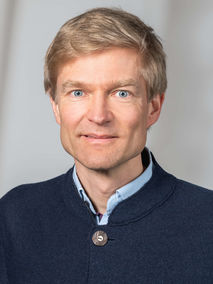
معرفی
Rachel M Denny serves as a Clinical Instructor in the Department of Internal Medicine at the University of Michigan Medical School, with clinical expertise in polypharmacy management, deprescribing protocols, geriatric palliative care, and heart failure treatment for elderly patients. She co-leads the Medical Student Interest Group, fostering educational engagement in geriatrics and palliative medicine.
Her academic background includes:
- Geriatric and Palliative Medicine Fellowship, University of Michigan–Ann Arbor (2022)
- Family Medicine Residency, Henry Ford Macomb Hospital (2020)
- DO, Michigan State University College of Osteopathic Medicine (2017)
- Bachelor of Science, Western Michigan University (2012)
Dr. Denny's research focuses on optimizing medication regimens for aging populations through evidence-based deprescribing and addressing complex geriatric syndromes. Her work bridges clinical practice and education, emphasizing practical interventions for polypharmacy reduction and palliative care integration in diverse care settings including long-term facilities and oncology.
Analysis of her 2022-2024 publications reveals consistent emphasis on quality improvement in geriatric pharmacology, with recurring themes of deprescribing initiatives, palliative care accessibility for frail elders, and heart failure management adaptations for post-acute care environments. Her methodology prioritizes clinically actionable solutions over theoretical exploration.
As an educator, she mentors medical students through the Medical Student Interest Group and develops educational content on geriatric syndrome management. Her presentations cover ambulatory deprescribing frameworks, career pathways in geriatrics, and heart failure protocols for extended-care settings.
Dr. Denny actively participates in quality improvement projects including antihistamine deprescribing in long-term care and triggered palliative consultation systems for gynecologic oncology patients, demonstrating commitment to system-level care enhancements for vulnerable elderly populations.