معرفی
Rachel Holland is a cognitive neuroscientist specializing in acquired disorders of language who joined City, University of London in 2013. She currently serves as the BSc Speech and Language Therapy Programme Director within the Division of Language and Communication Science. Her academic journey began at the University of Manchester where she earned her BSc, MRes, and PhD in Psychology.
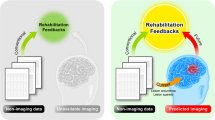
Her research focuses on understanding how language function is organized within the human brain and how it deteriorates following brain damage or disease. Dr. Holland employs a range of complementary neuroscience techniques including non-invasive brain stimulation, functional neuroimaging, and neuropsychological investigation to study language recovery and treatment of anomia after aphasic stroke. Her work bridges cognitive neuroscience with clinical speech-language pathology, particularly in developing evidence-based interventions for language disorders.
Analysis of her publication record from 2010-2021 reveals a clear progression from basic research on language processing mechanisms to applied clinical research on aphasia treatment. Her most recent work demonstrates increasing sophistication in predictive modeling of treatment response based on lesion location and therapy dosage, reflecting her growing expertise in translational neuroscience.
As Programme Director, Dr. Holland teaches undergraduate modules SL2002 (Biomedical Sciences) and SL3002 (Language Sciences), as well as postgraduate modules SLM002 and SLM008. Her teaching expertise extends to neuroimaging techniques and research methods, reflecting her strong methodological background.
Dr. Holland maintains active research collaborations with principal investigators from the MRC Cognition and Brain Sciences Unit in Cambridge, NARU at the University of Manchester, and the Institute of Cognitive Neuroscience in London. Her work has been supported by prestigious funding bodies including Wellcome, MRC, the Stroke Association, and NIHR, demonstrating the significance and impact of her research within the neuroscience community.