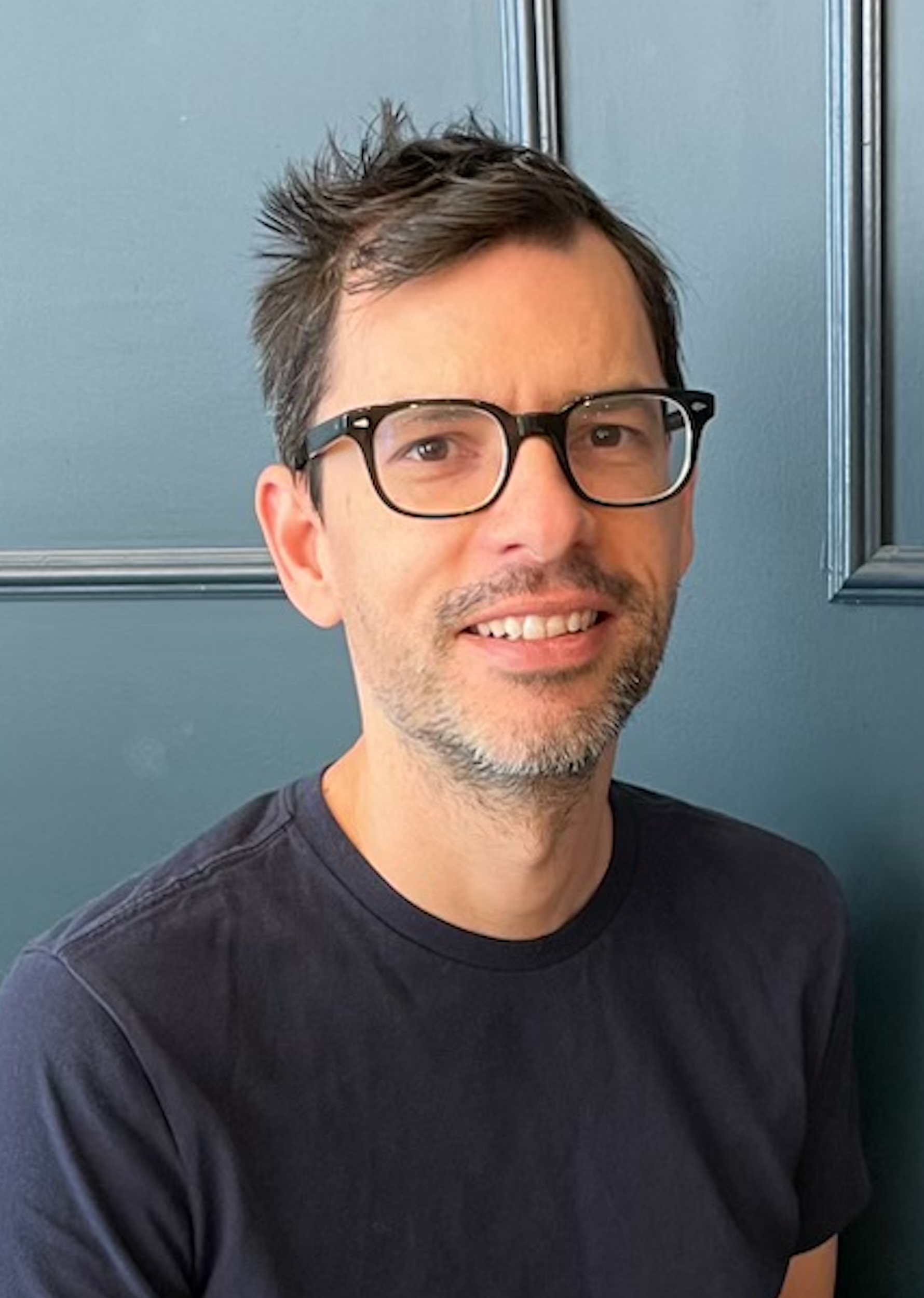
Rachael L. Beaton
پژوهشگر ارشد · Galactic Astronomy
California Institute of Technology (Caltech)معرفی
Rachael L. Beaton is a Postdoctoral Research Fellow at Princeton University with a joint affiliation at the Observatories of the Carnegie Institution for Science. Her research focuses on galactic halos using deep photometry and large-scale surveys including SPLASH, APOGEE, and M31AGES to study galaxy assembly, dark matter, and cosmic distance scales.
She earned her Ph.D. in Astronomy from the University of Virginia in 2014 as a Jefferson Graduate Fellow, where her thesis received the Robert J. Trumpler Prize. Her research spans stellar halos of galaxies like M31, utilizing multi-wavelength data to probe dynamical memory in outer galactic regions. She investigates globular clusters, satellite galaxies, tidal debris, and stellar components while leading major observational campaigns and securing hundreds of competitive telescope nights.
Her publication trends emphasize observational galactic astronomy through large collaborations, with recent work on carbon stars in M31's halo and GLIMPSE survey open clusters advancing stellar population studies and galactic structure modeling.
Key awards include:
- Robert J. Trumpler Prize
- Jefferson Graduate Fellowship
- Hubble Fellowship
- Carnegie-Princeton Fellowship
- All University Graduate Teaching Award
- Graduate Teaching Center Teaching Award
- Lawrence Fredrick Teaching Award
Dr. Beaton actively mentors undergraduate and graduate students across multiple institutions, guiding research in stellar populations and observational techniques. She has secured extensive nationally competitive observing time and collaborates with non-observing colleagues on technical projects. Her outreach initiatives include Dark Skies, Bright Kids! and the Central Virginia Star Party, emphasizing underserved community engagement through multi-lingual resources like the Snapshots of the Universe astronomy book.
She participates in major collaborations including SDSS-IV APOGEE-2 (as former Science Working Group Chair), SPLASH, M31AGES, and the Hyper Supreme Cam Survey, operating from Las Campanas Observatory through Carnegie-Princeton resources.