معرفی
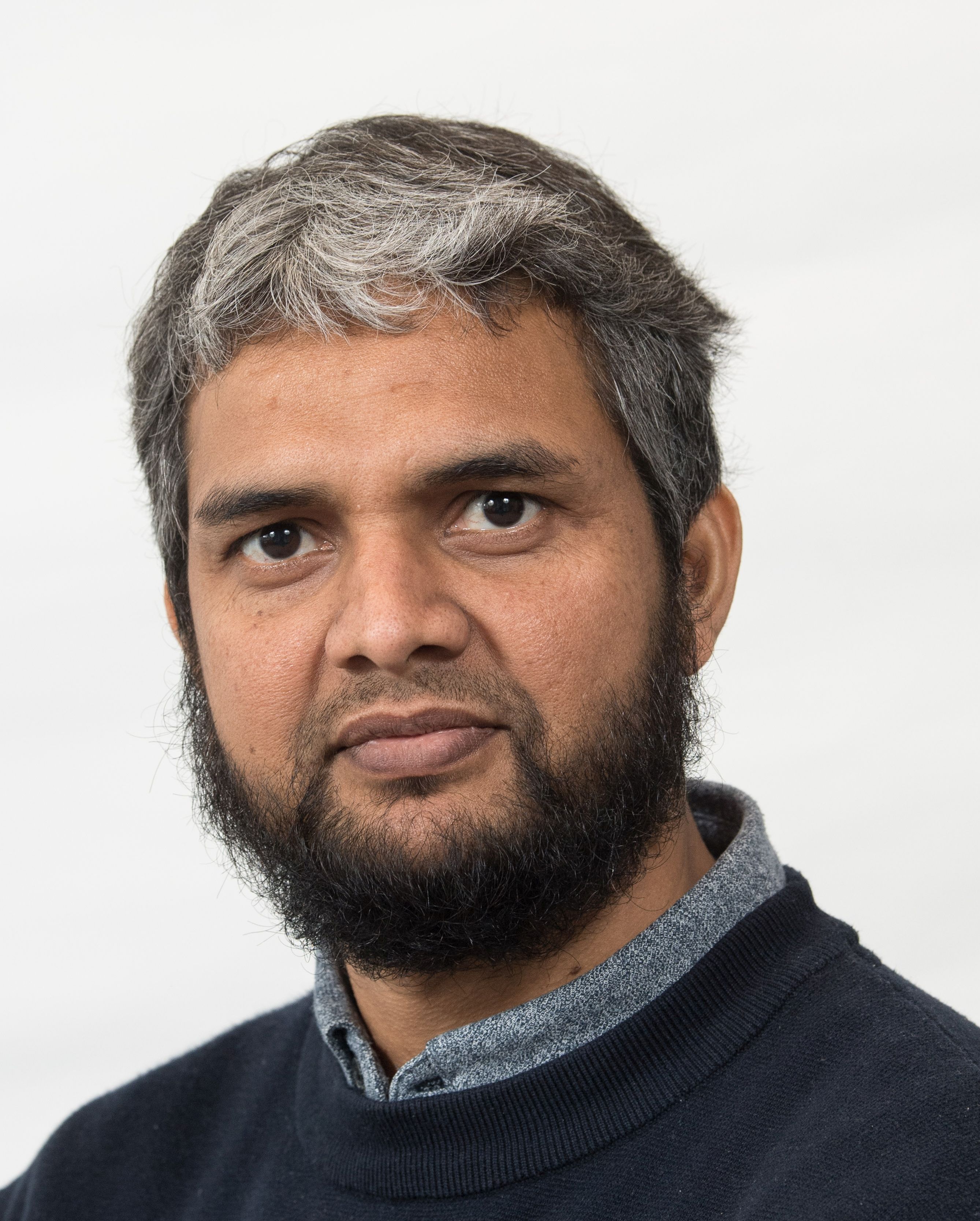
Dr. Quazi Zaman is a faculty member at Robert Gordon University (RGU) in the Scott Sutherland School of Architecture. His research focuses on Border Urbanism, Architecture, Urban Design, and Healthy Cities and Communities, with particular interest in spatial justice, social fragmentation, and the relationship between borders and urban development.
Dr. Zaman holds a PhD in Urbanism from the University of Hong Kong (1994-1999), a Master's in Urban Design from the same institution (1992-1993), a Bachelor's in Architecture (1982-1989), and a Post Graduate Certificate in Housing and Settlement (2006-2007).
His research explores the complex relationships between urban spaces, borders, and communities. Dr. Zaman has established the Border Urbanism Research Centre (BURC), which brings together researchers from 28 countries to examine border-related issues from transdisciplinary perspectives. His work spans theoretical examinations of border urbanism and practical applications in community design, with particular focus on social exclusion, spatial injustice, and community engagement in urban environments. Recent research trends show increasing attention to migration narratives, border controls in informal settlements, and the application of technology like UAVs for environmental monitoring.
- Border Urbanism: Transdisciplinary Perspectives (2023)
- Socio-spatial narratives of migrants' journey (2025)
- Stitching Urban Vision method for child engagement (2025)
Dr. Zaman has developed innovative pedagogical approaches including the 'Community as Extended Classroom' (CeC) method and the 'Stitching Urban Vision' (SUV) technique for engaging children in urban design processes. His research output demonstrates strong international collaboration, with projects spanning multiple continents including studies in Scotland, Nepal, Kenya, and Ghana.
Dr. Zaman actively supervises PhD students and has developed practical urban design projects including the Victoria Road School restoration initiative in Torry, Aberdeen, which addresses social exclusion through integrated housing and communal space design.