معرفی
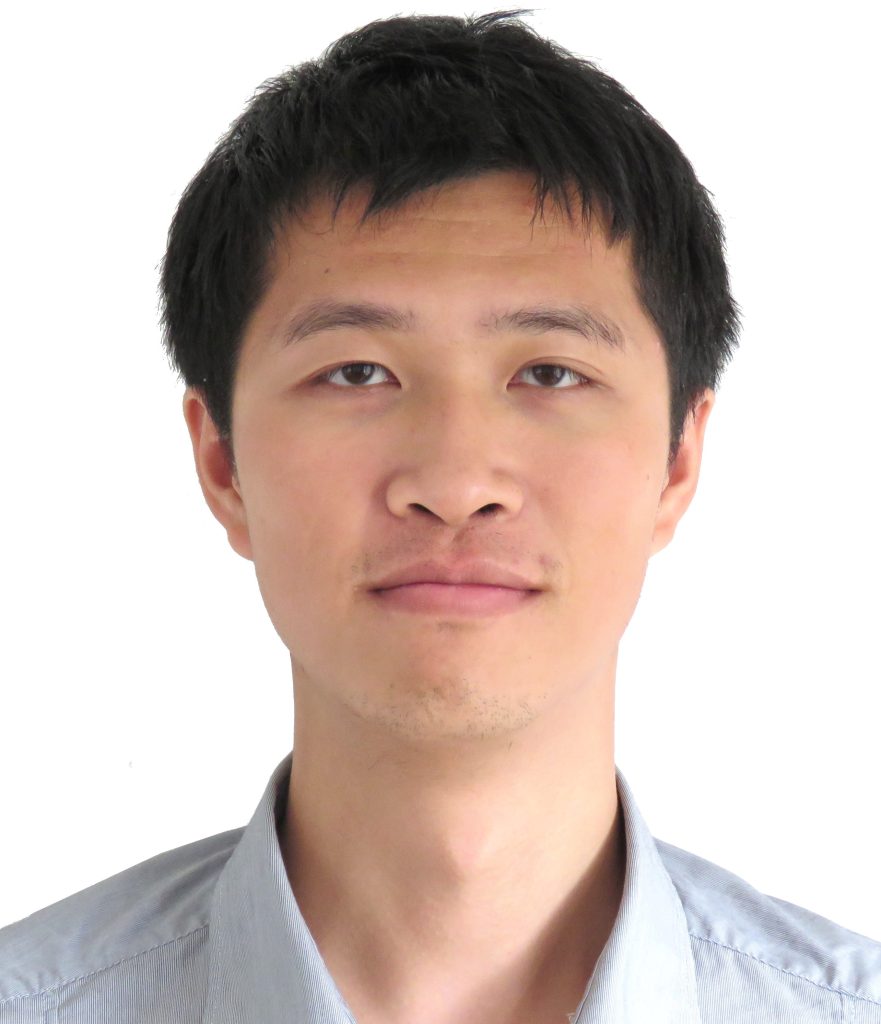
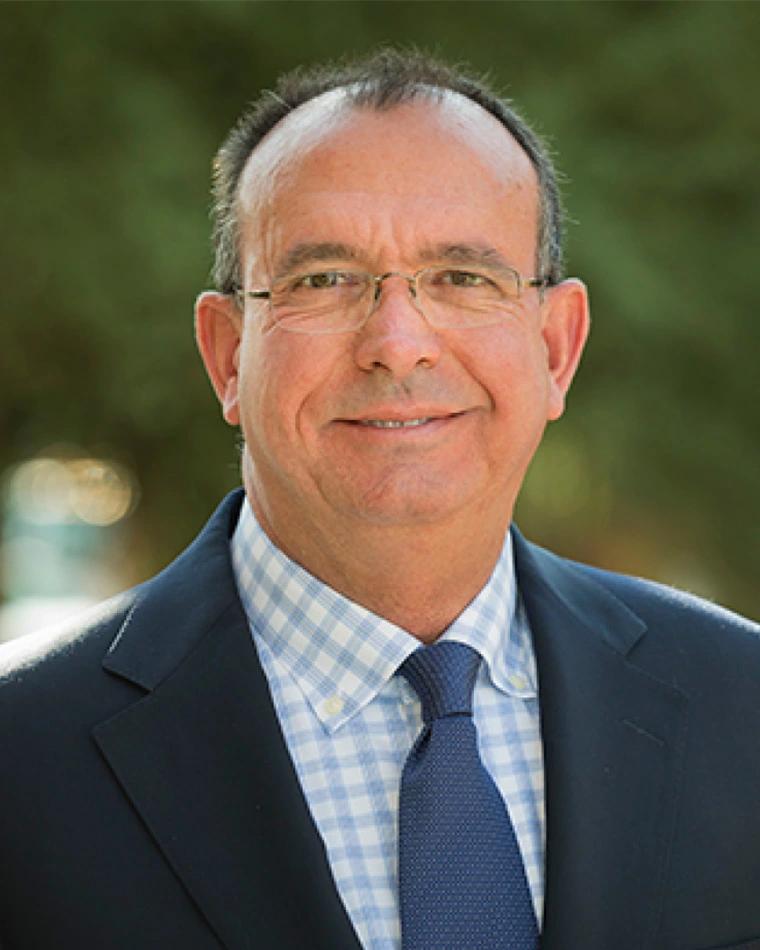
Xiaobo Qu is a Chair Professor (Full Professor with a Chair) of Urban Mobility Systems at Chalmers University of Technology in Sweden. He has held academic positions including Professor at Chalmers University of Technology (2018-2019), Senior Lecturer at University of Technology Sydney (2016-2017), and Lecturer/Senior Lecturer at Griffith University, Australia (2012-2016).
Professor Qu's research focuses on large, complex and interrelated urban mobility systems. His specific research areas include:
- Public transit planning and optimisation
- Machine learning applications in transportation
- Emergency services improvement
- Operations of connected and automated vehicles
- Emerging transport solutions
- Electric vehicle management
- Intelligent Transportation Systems
- Automatic control systems
His research has been applied to improvement of emergency services, operations of electric vehicles and connected automated vehicles, and management of vulnerable road users. He has authored or co-authored over 110 journal articles published in top tier journals with broader impact beyond his immediate research community.
Professor Qu has received numerous prestigious awards and recognitions:
- Member of Academia Europaea, The Academy of Europe (2020-present)
- Fellow, European Academy of Sciences (2020-present)
- Ministry of Transport, Minister's Innovation Award, Singapore (2010)
- Australian Department of Education, Endeavour Fellow (2016)
He serves in significant editorial roles:
- Area Editor of Intelligent Transport, IEEE Transactions on Cybernetics (2018-present)
- Area Editor of Traffic Flow, ASCE Journal of Transportation Engineering (2017-present)
- Associate Editor, IEEE Intelligent Transportation Systems Magazine (2017-present)
- Chair of SIG C1 Traffic Theory and Modelling, World Congress for Transport Research Society (2017-present)
Professor Qu has delivered over 10 keynote speeches internationally across the EU, Australia, the US, China, Singapore, and Sri Lanka. His research has been supported by major funding bodies including Australian Research Council Discovery Programme, Swedish Innovation Agency Vinnova, STINT, and European Union. He also coordinated a large consortium on Efficient Emergency Services for Smart Urban Mobility involving six universities, two research institutes, and seven industry partners with total funding of 30 million SEK.