معرفی
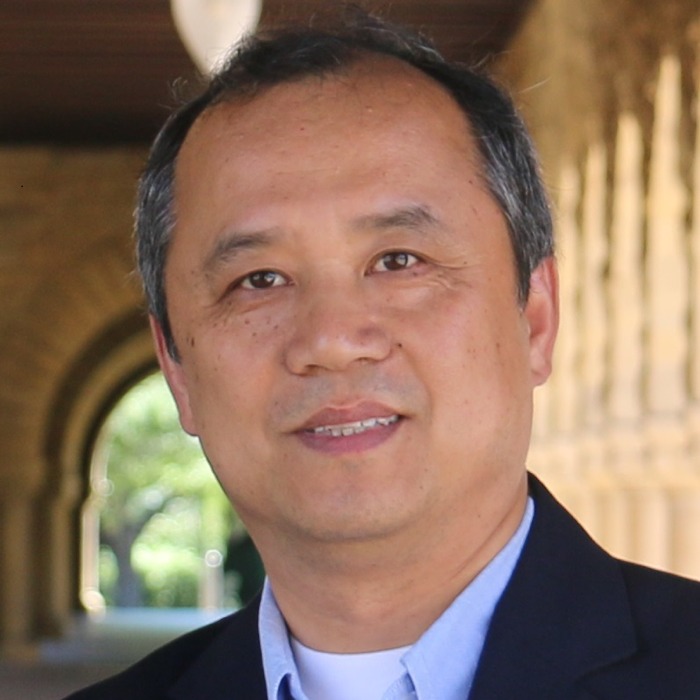
Qing Zhang is an Associate Professor of Anthropology at the University of Arizona, specializing in linguistic anthropology and sociolinguistics. His research examines the intersection of language, social change, and globalization in contemporary China, focusing on how linguistic practices reshape socioeconomic and political landscapes. He combines ethnographic and quantitative methods to analyze language use in contexts of rapid transformation, including urbanization, consumerism, and transnational flows.
Dr. Zhang's work emphasizes language as an active force in constructing social distinctions and identities, particularly through studies of Mandarin variation, media discourse, and youth cultures. His publications explore topics such as cosmopolitan Mandarin's role in globalization, the sociolinguistics of class formation, and the semiotics of consumer culture. He teaches courses on language and culture, sociolinguistics, and linguistic analysis of social meaning.
His research has been published in leading journals including Journal of Sociolinguistics and Journal of Language and Politics, as well as the monograph Language and Social Change in China: Undoing Commonness through Cosmopolitan Mandarin (Routledge, 2017). His work bridges micro-level linguistic analysis with macro-level sociopolitical processes, offering critical insights into language's role in China's evolving society.