معرفی
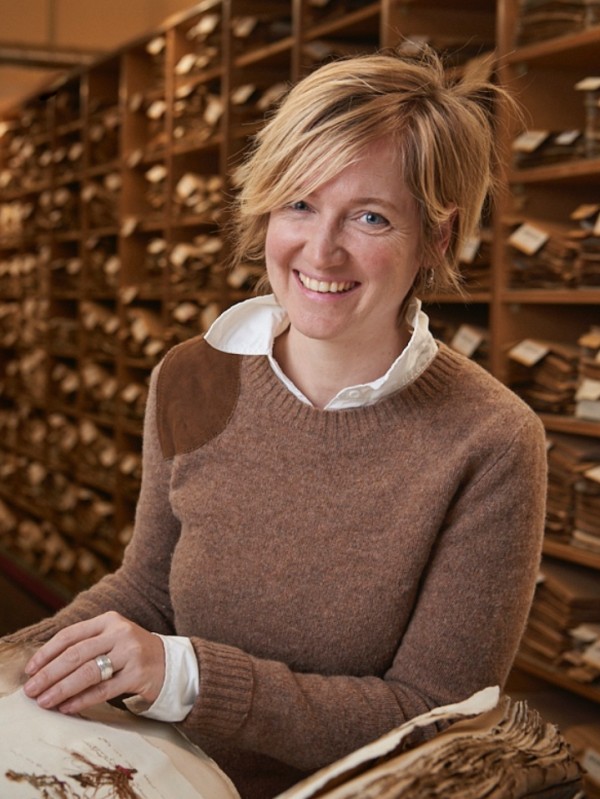
Péter Poczai serves as Associate Professor and Curator at the Botany and Mycology Unit within the Faculty of Biological and Environmental Sciences, University of Helsinki. He holds Docent status in Plant Systematics and Evolution and supervises two Doctoral Programmes: Sustainable Use of Renewable Natural Resources and Plant Sciences at the Viikki Plant Science Centre (ViPS).
His academic credentials include Doctor of Plant Health (MSc), Doctor of Plant Genetics (PhD), Docent qualification, and Habilitation in Biological Sciences. Educational milestones reflect deep expertise spanning plant genetics, systematics, and evolutionary biology.
Dr. Poczai's research pioneers museomics—applying high-throughput sequencing to historical DNA from biological collections. His team investigates evolutionary responses to global change drivers (pollution, habitat loss, climate change, invasives) using herbaria as temporal windows. This work uniquely integrates phylogenomics with archival analysis through deep learning, creating cross-disciplinary bridges between evolutionary biology and history of science.
Publication trends reveal dual expertise: bioinformatics tool development (e.g., Chloroplot for organelle genomes) and historical genetics studies (e.g., pre-Mendelian sheep breeding research). His 168 outputs demonstrate consistent growth in plant genomics and museomics since 2008, accelerating to 57 publications in 2022.
Key recognition includes:
- OECD CRP Research Fellowship at Radboud University (2019)
He actively supervises doctoral candidates and master's students while directing major projects like PLAGE (genetic resource conservation) and SOLPHYLO (Solanaceae evolution). Current funding includes three active grants through 2026 focusing on crop wild relatives and genomic responses to environmental stress.
As leader of the Museomics Research Group at Kaisaniemi Botanical Garden, he directs interdisciplinary teams combining genomic analysis, historical data mining, and conservation biology. The group's hologenomic approach examines plant-microbial community evolution across centuries using Finland's extensive natural history collections.