معرفی
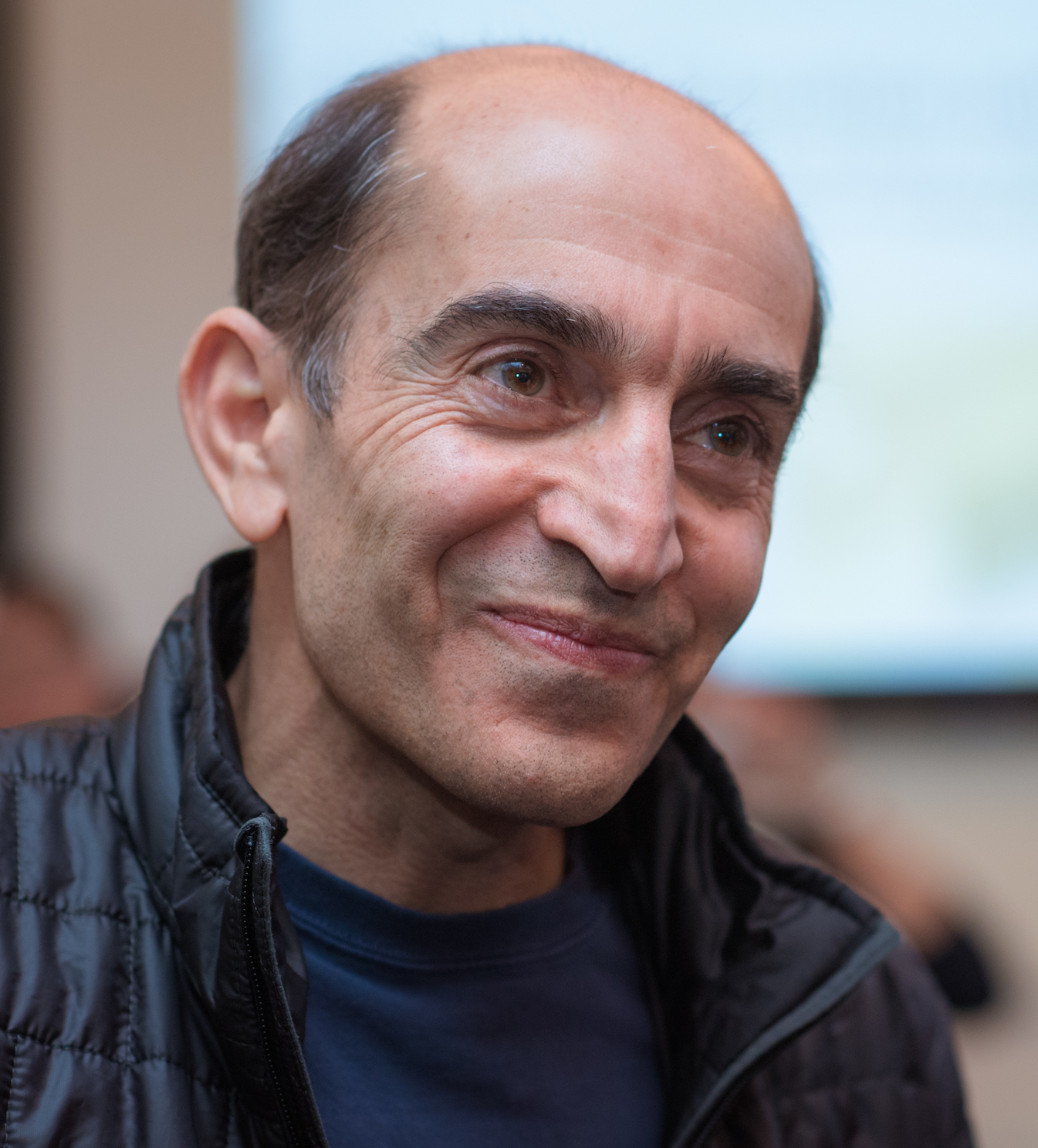
Prim Singh, PhD, is Professor of Biomedical Sciences at Nazarbayev University’s School of Medicine. Internationally recognized for four decades of pioneering work in epigenetics, he has held positions at the University of Cambridge (1987-2007), University of Edinburgh, Leibniz Institute Hamburg, and Charité Medical School Berlin. His laboratory deciphers fundamental mechanisms governing heterochromatin, HP1 chromo-domain proteins, and nuclear reprogramming, with the long-term goal of developing cell-rejuvenation technologies that reset biological age without reverting to an embryonic state.
Education
- PhD, University of Cambridge, 1987 – Dissertation on olfactory recognition of genetic individuality via MHC-derived odors.
Research Interests
Prof. Singh’s research spans epigenetics, chromatin biology, and geroscience. His group investigates:
- The molecular architecture of heterochromatin and the role of HP1 isoforms in genome organization.
- Mechanistic separation of “age” reprogramming (resetting cellular age) from developmental reprogramming (erasing cell identity).
- Translational strategies for rejuvenating aged cells while preserving their specialized functions.
Scientific Output & Trends
With >110 peer-reviewed publications (h-index 47, >7,300 citations), Singh’s recent work (2015-2025) centers on HP1-driven phase separation, stress-testing age reprogramming, and the epigenetic basis of cognitive decline. His papers appear in high-impact venues including Nature Communications, EMBO Reports, Epigenetics & Chromatin, and Cell Reports.
Active Grants & Projects
- HP1-driven phase separation: liquid droplets or collapsed globules? – PI, 2024-2026 (FDCRGP)
- Stress testing age reprogramming – PI, 2024-2026 (Government grant)
- Regulation of cellular identity and plasticity by mammalian HP1 proteins – PI, 2023-2025 (Ministry of Science & Education)
- BCaDNA: Building Capacity in aDNA Research at Nazarbayev University – Co-PI, 2021-2025 (Kazakhstan CRP)
- Molecular basis for B-type heterochromatic compartmental domains – PI, 2021-2023 (FDCRGP)
Laboratory & Team
The Singh Lab at Nazarbayev University is currently accepting PhD students. The group uses cutting-edge imaging, genomics, and biochemical approaches to dissect chromatin dynamics and develop rejuvenation interventions.