معرفی
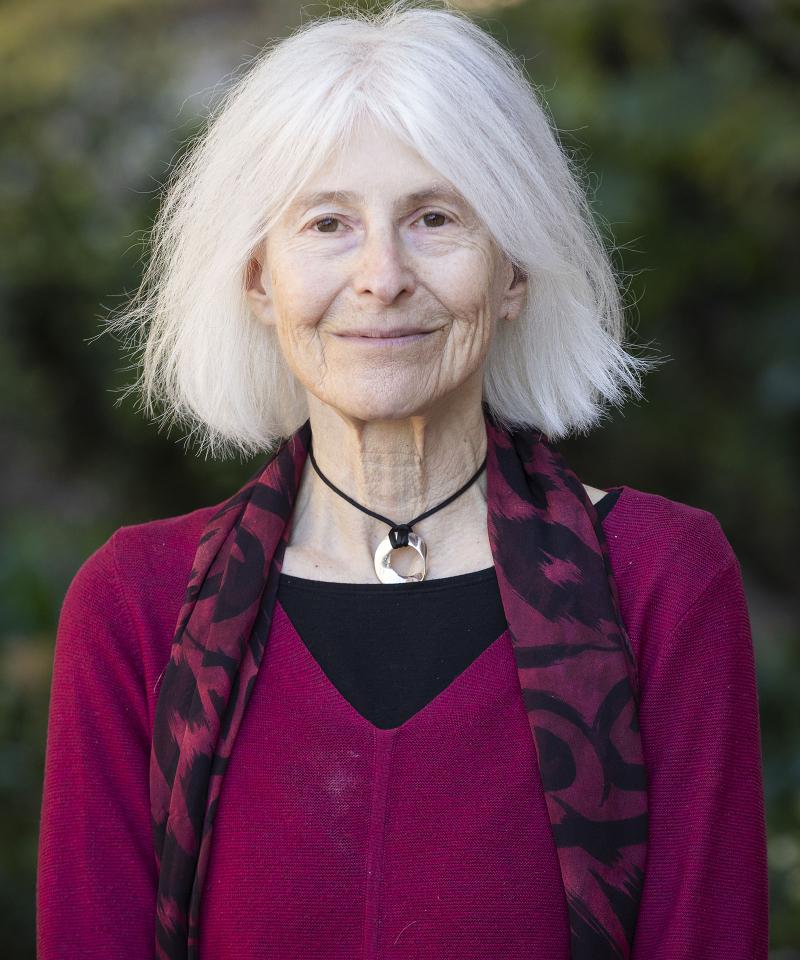
Premilla Nadasen is Professor of History at Barnard College, Columbia University, where she teaches courses in U.S. history, gender, race, and social justice. She is affiliated with the Faculty of Arts and Sciences and the Department of History, and her scholarship bridges academic research and public activism.
- Ann Snitow Prize (2020)
- John Hope Franklin Book Prize
- Sara A. Whaley Book Prize
- Berkshire Conference Article Prize
- Distinguished Lecturer, Organization of American Historians
- Fulbright Visiting Professor at Oxford (2019)
Her research focuses on Black feminism, welfare rights, domestic worker organizing, and grassroots social movements. She examines how poor and working-class women of color have historically used storytelling and collective action to assert political agency and challenge systemic inequities. Her work emphasizes the intersection of race, gender, and class in shaping labor and social policy.
The most recent articles reflect a consistent focus on domestic workers’ rights, welfare activism, and feminist historiography. They explore themes such as narrative construction, legal exclusion, coalition building, and the redefinition of citizenship through labor. Her scholarship often centers on oral histories and marginalized voices, contributing to a broader reimagining of U.S. social movements.
Nadasen has served as past president of the National Women’s Studies Association and is a Distinguished Lecturer for the Organization of American Historians. She has received significant research grants and public engagement funding, including a $250,000 award to advance her scholarship on the care economy. She has collaborated with the Institute for Policy Studies and the National Domestic Workers Alliance on the “We Dream in Black Project” and has served as an expert witness for labor committees.
She is actively involved in public scholarship, frequently contributing op-eds, participating in podcasts, and advising museums and policy organizations. She has taught community-engaged courses, such as those partnering with the Damayan Migrant Workers Association, and is currently writing a biography of Miriam Makeba. No formal lab or research team is mentioned, but her collaborative projects suggest a network of activist-scholar partnerships.