معرفی
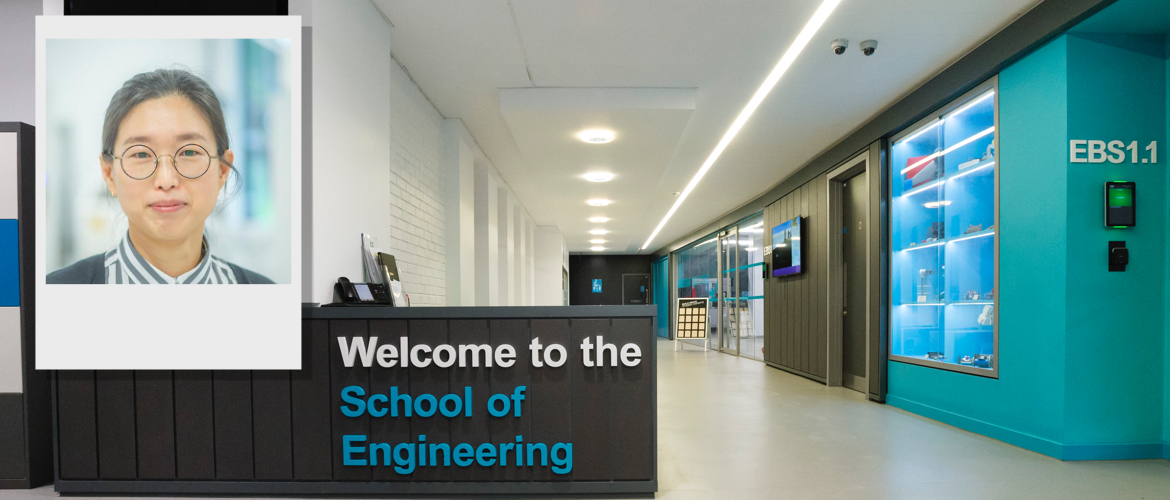
Dr. Pooja Goddard is a Reader (equivalent to Associate Professor) in the Department of Chemistry at Loughborough University's School of Science, holding a Royal Society Industry Fellowship and serving as Director of Equality, Diversity, and Inclusion for the School. Her research focuses on computational modeling of atomic-scale processes in materials for sustainable energy applications including batteries, solar cells, nuclear systems, and fuel cells.
Dr. Goddard earned her MChem (First Class Honors) in Chemistry from Coventry University with an industrial placement at GlaxoSmithKline, followed by a PhD in "Computational and Experimental Studies of Formate Brines" at the University of Warwick, funded by Cabot Specialty Fluids and the Warwick Postgraduate Scholarship.
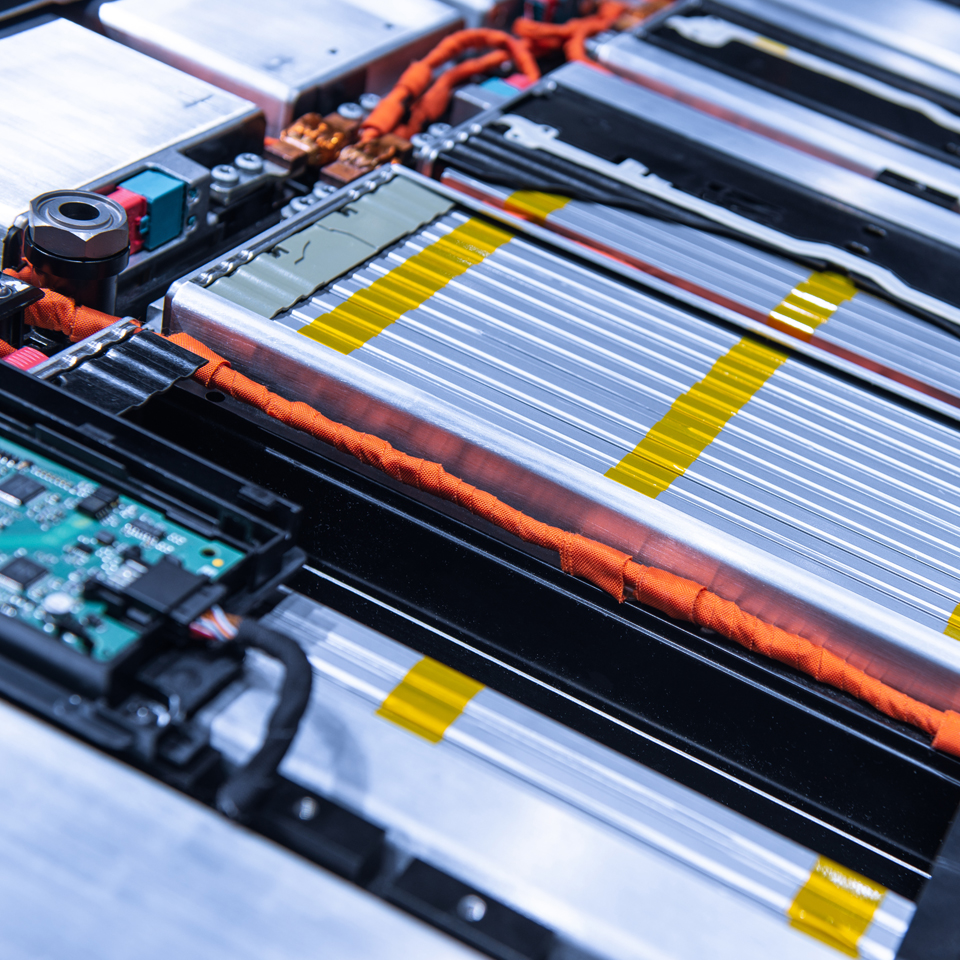
Her research expertise combines inter-ionic potential-based methods and density functional theory simulations to optimize complex materials for sustainable energy technologies. Key application areas include next-generation lithium/sodium battery systems, cadmium telluride thin-film photovoltaics, radiation-resistant high-entropy alloys for nuclear applications, and novel defect chemistries for fuel cells. She employs multi-scale modeling to analyze defects at surfaces and interfaces affecting structural, mechanical, and electronic properties.
Dr. Goddard has received significant recognition through multiple industry fellowships:
- Royal Society Industry Fellowship (2021)
- Royal Society Industry Fellowship (2022)
- Royal Academy of Engineering Industry Fellowship (2022)
She leads impactful industry collaborations including a Knowledge Transfer Partnership with Echion Technologies for battery optimization and work with CREST on solar cell materials. Her research is supported by EPSRC, Royal Society, and Royal Academy of Engineering funding, including an ICASE studentship with Sellafield Ltd. She actively mentors students through these industrial partnerships while directing the Materials Modelling research group.
As part of the Centre for the Science of Materials, her team bridges scientific discovery and engineering applications through strong experimental-industry collaborations. Dr. Goddard's work directly supports UN Sustainable Development Goal 7 through advancing clean energy technologies and reducing carbon footprints in energy generation and storage.