معرفی
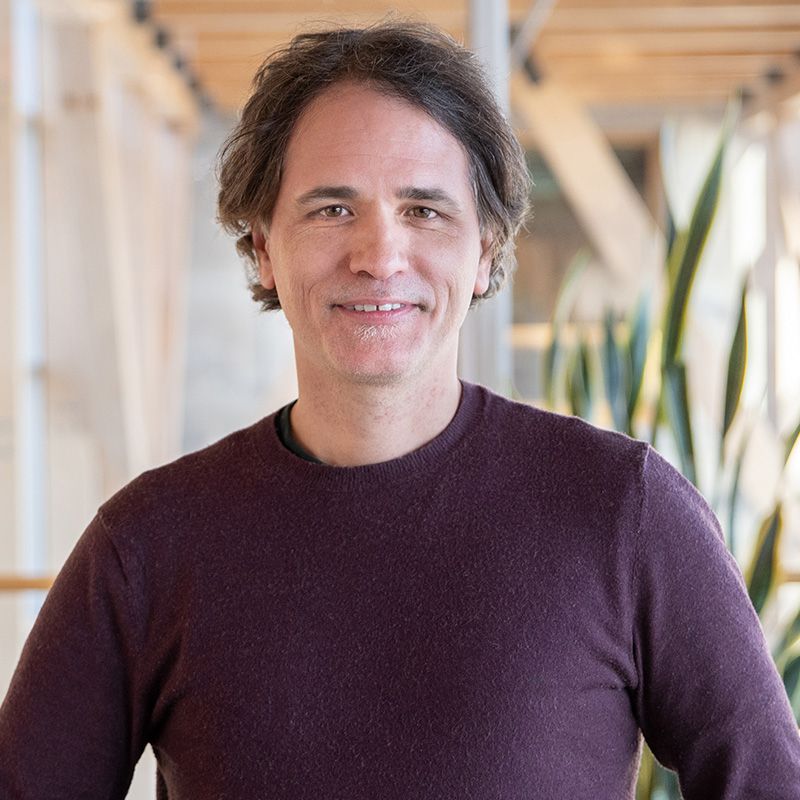
Pierre-Luc Fillion is an Assistant Professor in the Department of Teaching and Learning Studies at the Faculty of Education, Université Laval in Quebec City. His research focuses on geography teaching, history teaching, citizenship education, socially sensitive territorial issues, and the study of disciplinary modes of thought.
Dr. Fillion is affiliated with the Interuniversity Research Centre on Teacher Training and the Teaching Profession (CRIFPE-Laval), where he collaborates with researchers from multiple institutions on teacher education and professional development projects.
His research interests center on geographical reasoning, particularly regarding socially sensitive territorial issues with elementary and secondary school students in Quebec. Dr. Fillion explores how students develop geographical reasoning skills and investigates effective teaching methods for geography education. His work often examines the intersection of geography, history, and citizenship education within the Quebec educational context, with a focus on local issues, field trips, and virtual excursions as pedagogical approaches.
Dr. Fillion's recent publications (2021-2025) demonstrate a strong focus on geographical reasoning, curriculum development for social studies, and the teaching of history and geography in Quebec. His research examines how students engage with socially sensitive territorial issues and develops teaching methods to enhance geographical potential through locally relevant studies and innovative educational tools.
- Quebec Research Fund – Society and Culture grant ($44,171) for 'Developing primary school students' geographical reasoning on a socially sensitive territorial issue' (2025-2028)
- Laval University Faculty of Education grant ($7,000) for 'Design of a teaching tool aimed at exploring students' geographical reasoning' (2024-2025)
He teaches undergraduate courses including Didactics of the Social World I and II, and Geography Didactics I. At the graduate level, he teaches Teaching Geography in Secondary School. His teaching directly reflects his research interests in social studies education and geographical reasoning, preparing future educators to address complex territorial issues in their classrooms.