معرفی
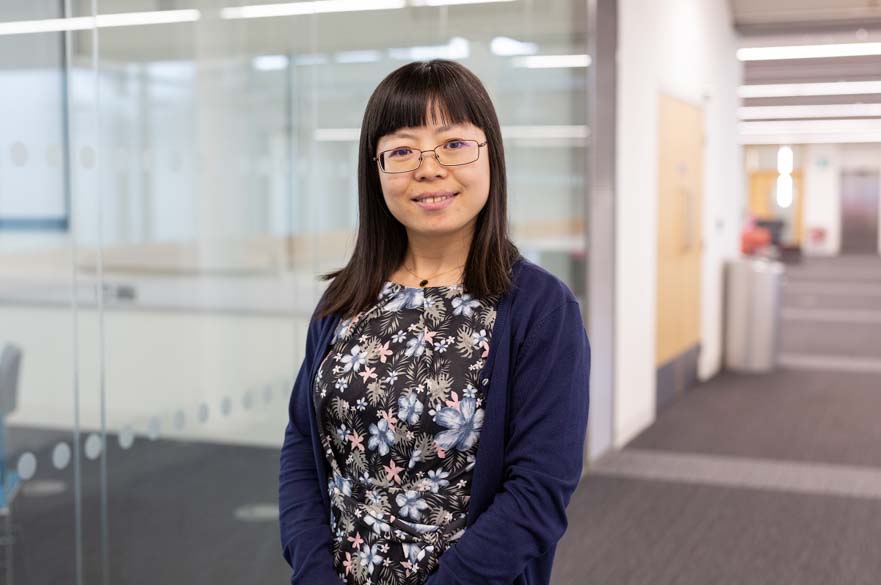
Professor Philippa Cann serves as a Visiting Professor in the Department of Mechanical Engineering at Imperial College London's Faculty of Engineering. She holds dual roles as a Principal Research Fellow in the Tribology Group and maintains active affiliations with the Applied Mechanics Centre, Centre for Translational Nutrition and Food Research, Musculoskeletal Medical Engineering Centre, and Tribology Centre.
Her academic foundation includes a BSc in Chemistry from King's College London University and a PhD in Tribology from Imperial College London, completed under Professor Alistair Cameron's supervision. This background enabled her pioneering work in experimental tribology.
Dr Cann's research specializes in complex fluid lubrication mechanisms and bio-lubrication, with critical investigations into implant tribology, articular cartilage damage, soft contact lubrication, and synovial fluid behavior in artificial joints. Her methodologies bridge mechanical engineering and biomedical applications, particularly in orthopaedic device performance.
Her scientific recognition includes:
- Tribology Trust Silver Medal (2004) for foundational contributions to lubrication science
- SAGE Best Paper Prize (2012) for co-authoring "Edge loading in metal-on-metal hips: low clearance is a new risk factor"
Dr Cann co-founded the Biotribology Group in 2007 with Dr Daniele Dini, securing industry funding for dental and shaving tribology projects. The group's landmark achievement was organizing the inaugural International Conference on Biotribology (ICoBT) at Imperial College in 2011, fostering global collaboration with over 200 researchers. She maintains a strategic partnership with Professor Justin Cobb (Chair in Orthopaedic Surgery, Charing Cross Hospital) for clinical translation of tribological research.
Her leadership in the Biotribology Group drives innovation within the Musculoskeletal Medical Engineering Centre, focusing on improving joint replacement longevity through advanced lubrication studies and cross-disciplinary team science.