
Philip W Jordan
دانشیار · Stem cell biology
Uniformed Services University of the Health Sciencesمعرفی
Philip W Jordan is an Associate Professor in the Department of Biochemistry at the Uniformed Services University of the Health Sciences (USUHS) School of Medicine in Bethesda, MD. He joined USUHS in 2022 after serving as a principal investigator at Johns Hopkins University Bloomberg School of Public Health for ten years.
Education:
- Bachelor of Biotechnology (Hns) – Flinders University of South Australia, Australia (1997-2001)
- Ph.D. in Cell and Molecular Biology - University of Edinburgh, Scotland (2002-2006)
- Post-graduate Certificate in Higher Education - University of Sussex, England (2007-2009)
- Post-doctoral training in Genome maintenance - University of Sussex, England (2007-2010)
- Post-doctoral training in Reproductive Biology – The Jackson Laboratory, Maine, USA (2010-2013)
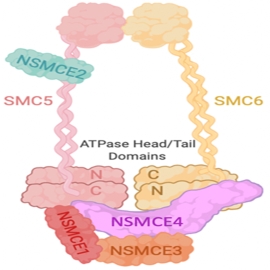
Dr. Jordan's research focuses on understanding the molecular mechanisms that monitor DNA replication accuracy and DNA damage repair proficiency, as well as processes that ensure accurate chromosome segregation and cell cycle progression. His lab studies the importance of Structural Maintenance of Chromosomes (SMC) complexes and cell cycle kinases, particularly Polo-like (PLK) kinases and Aurora kinases. They use mouse as a model organism to study consequences of gene mutation and chromosome missegregation, which give rise to physical and cognitive developmental defects, infertility and cancer predisposition. They also use mouse and human pluripotent stem cells to help define the function of these proteins within essential molecular pathways of the cell. Their current research encompasses gametogenesis (spermatogenesis and oogenesis), pluripotent stem cell genome maintenance, and neurodevelopment.
Dr. Jordan's recent publications demonstrate a strong focus on meiosis, chromosome segregation, and genome maintenance mechanisms. His work spans reproductive biology, neurodevelopment, and stem cell research, with particular emphasis on SMC complexes and cell cycle kinases. The research employs advanced techniques including transgenic models, pluripotent stem cells, and the auxin-inducible degron (AID) system for protein degradation studies.
Scientific Awards:
- UK Fulbright Distinguished Scholar Award from the US-UK Fulbright Commission, 2010
- K99-R00 Pathway to Independence Award from NICHD, NIH, 2012-2016
- Ho-Ching Yang Memorial Faculty Fellowship in Cancer Prevention, 2014-2015
- Discovery Award from Johns Hopkins University, 2015-2016
- American Society for Reproductive Medicine (ASRM) KY Cha Award, 2017-2018
- Catalyst Award from Johns Hopkins University, 2018-2019
- Discovery Award from Johns Hopkins University, 2022-2024
Dr. Jordan has successfully mentored numerous PhD and Masters students through their graduate programs, with many going on to pursue further doctoral studies or medical school. His lab has secured significant grant funding including R01 research grants from NIGMS and NICHD, as well as equipment grants from NIGMS. The lab has also received multiple Discovery and Catalyst Awards from Johns Hopkins University, demonstrating the innovative nature of their research.
The Jordan Lab at USUHS maintains an active research program with multiple postdoctoral researchers, PhD students, and undergraduate researchers working collaboratively on projects related to genome maintenance, meiosis, and neurodevelopment. The lab has recently received R01 grant renewals and new R01 grants, indicating continued strong support for their research program.
Philip W Jordan در سایتهای دیگر
جستوجوهای مرتبط
شاید اینها هم برایتان مناسب باشند
 Rosemary ClyneQueen Mary University of London · مدرس ارشد
 Karen SchindlerRutgers, The State University of New Jersey · استاد
 Jayakrishnan NandakumarUniversity of Michigan-Ann Arbor · دانشیار
- PPrasad JallepalliCornell University · استاد
 Lena StrömKarolinska Institutet · مدرس ارشد
 Jennifer FungUniversity of California, San Francisco · دانشیار