معرفی
Philip Stoker is an Associate Professor of Planning and Chair of the Sustainable Built Environments Programs at the College of Architecture, Planning and Landscape Architecture (CAPLA), University of Arizona. His research and teaching focus on urban water sustainability, land use planning, and geographic information systems (GIS), with particular expertise in Western U.S. urban contexts and manufactured housing communities.
Dr. Stoker earned his Ph.D. in Metropolitan Planning, Policy, and Design from the University of Utah, where his thesis examined urban water use and sustainability. His academic foundation spans ecology, planning, and natural resource management, with international research experience including collaborations with the World Health Organization, Parks Canada, and the National Park Service.
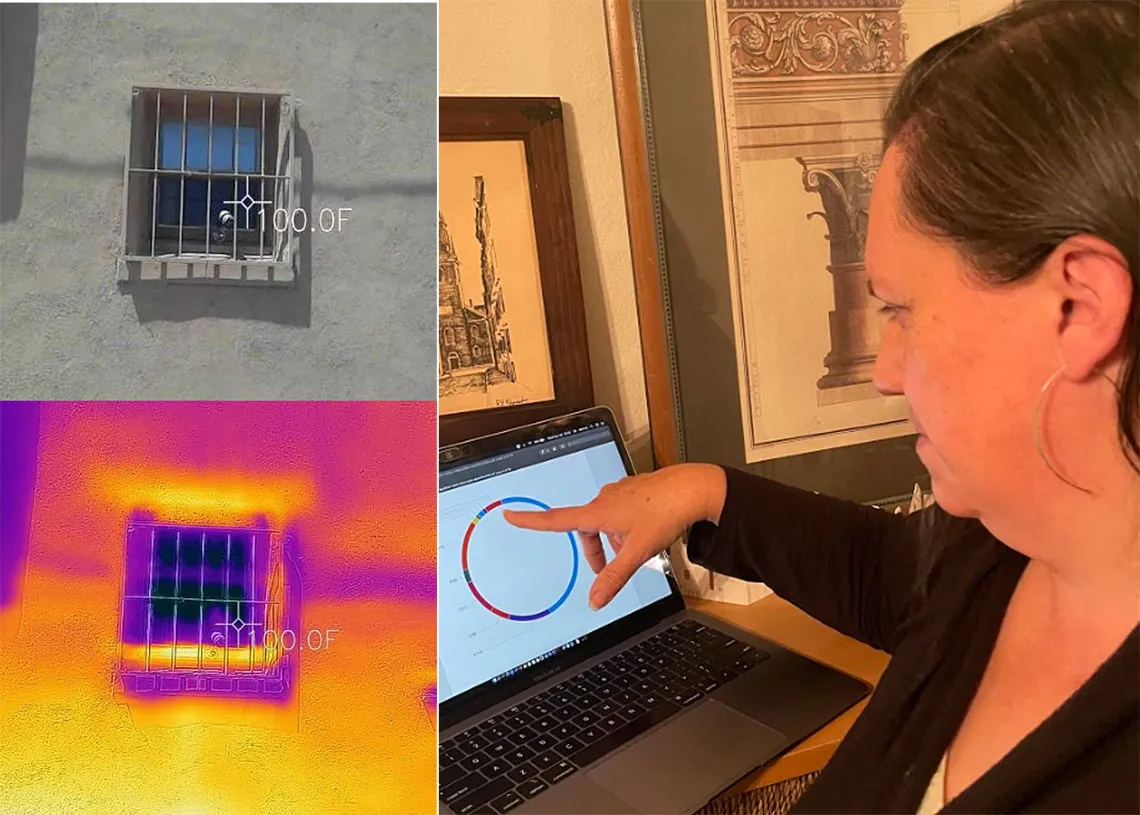
His research investigates how land cover, built environment characteristics, social conditions, and demographics interact to influence urban water consumption patterns. Recent work highlights heat vulnerability in Arizona's manufactured housing communities, revealing critical gaps in vegetation access and land ownership that exacerbate climate risks. He integrates these findings into sustainable urban planning frameworks through both research and teaching.
Dr. Stoker was recognized as part of an interdisciplinary team named finalist in the 2024 ArcGIS StoryMaps Competition. His heat resilience research gained institutional prominence with coverage in University of Arizona news in July 2025.
As an educator, he teaches Introduction to GIS, Environmental Spatial Analysis, Sustainable Development, and Sustainable Cities. His leadership as Program Chair involves curriculum development and academic administration for sustainable built environments initiatives. International research partnerships with organizations like the Vancouver 2010 Olympic Games demonstrate his cross-border collaborative approach to environmental planning challenges.