معرفی
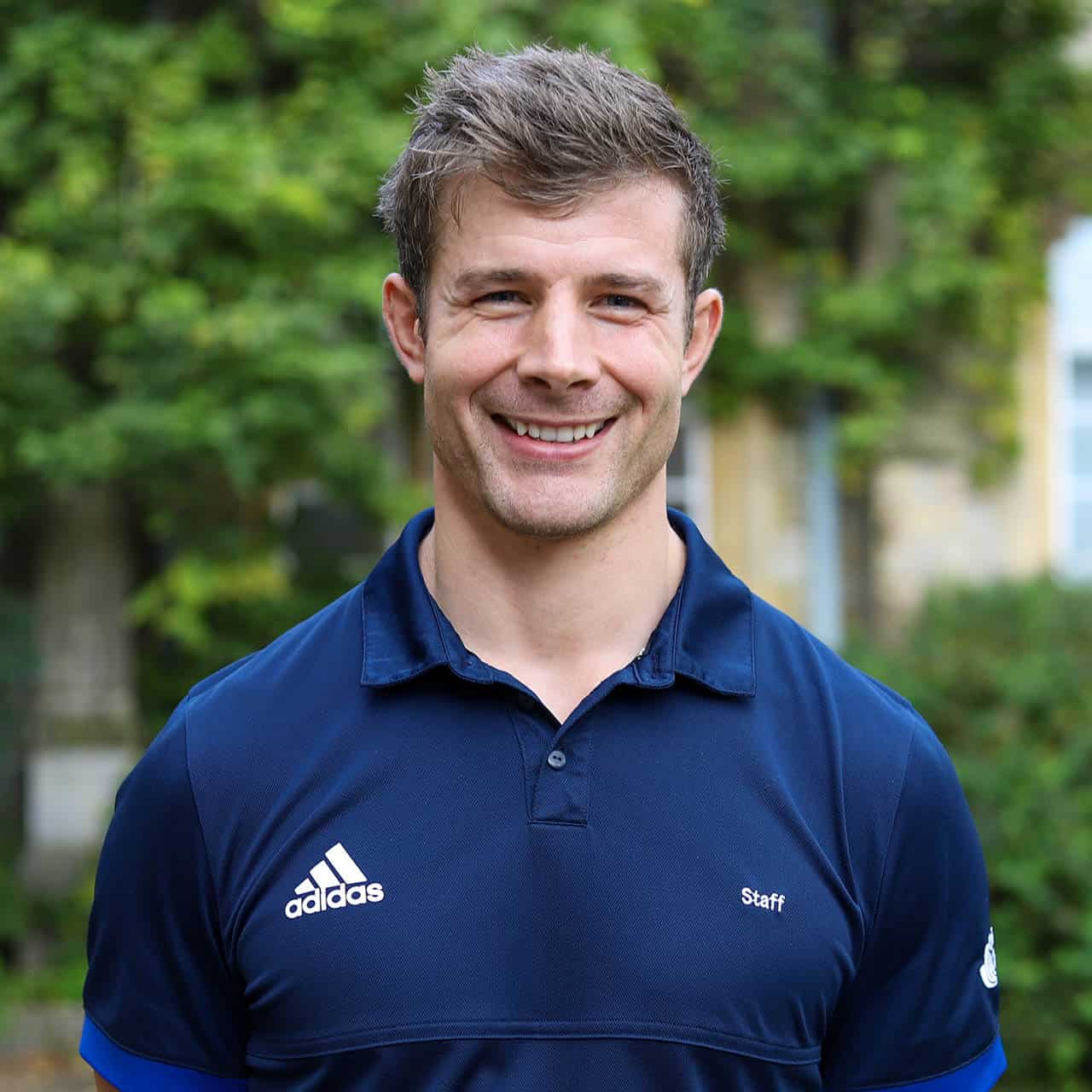
Dr Phil Birch serves as a Senior Lecturer in Sport and Exercise Psychology at the University of Chichester's Institute of Applied Sciences. Having joined the institution after completing his PhD in 2014, he has established himself as a specialist in performance psychology with particular expertise in esports applications. He currently contributes to the university's Research Ethics Committee and the Institute of Applied Sciences CHASER research planning group preparing for the 2029 Research Excellence Framework submission.
Phil's educational foundation includes a PhD in Sport and Exercise Psychology (2010-2014), Postgraduate Certificate in Learning and Teaching (2007-2013), Postgraduate Certificate in Counselling Skills (2007-2008), MSc Psychology of Sport and Exercise with Distinction (2006-2007), and BSc Sport and Exercise Science with First Class honors (2003-2006), all obtained at the University of Chichester.
His research program centers on performance psychology across traditional sports and esports domains, with particular focus on stress, self-regulation, and mental health. Birch employs innovative methodologies including think aloud protocols and physiological measurements like heart rate variability to examine cognitive processes in competitive environments. His work bridges theoretical sport psychology with practical applications in both conventional athletic contexts and the rapidly evolving esports industry.
Analysis of his recent publications reveals a clear research trajectory toward esports psychology, with increasing emphasis on mental health in competitive gaming, physiological correlates of performance states, and specialized measurement tools for esports contexts. His work demonstrates interdisciplinary collaboration across psychology, physiology, and gaming technology domains.
- Fellow of the Higher Education Academy
Phil serves as Director of Studies for two PhD students - one internally funded project examining psychophysiological demands of esports performance using heart rate variability, and another externally funded by the Economic and Social Research Council investigating psychological factors in young golfers' development. He actively seeks new PhD candidates interested in psychometrics, stress management, and think aloud methodologies across sports and esports contexts. His research planning group involvement indicates substantial institutional research leadership beyond his individual projects.