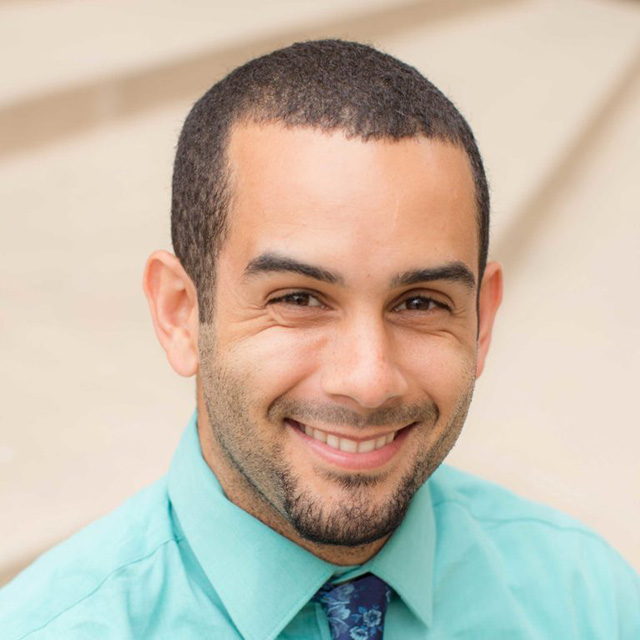
Peter Hanink
استادیار · Race and Policing
California State Polytechnic University, Pomonaمعرفی
Dr. Peter Hanink is an Assistant Professor in the Sociology Department at California State Polytechnic University, Pomona’s College of Letters, Arts, and Social Sciences. He specializes in race and policing, focusing on police-public interactions, racialized police violence, and the societal implications of these dynamics. His research examines how police reform efforts are shaped by political, economic, and cultural contexts, and he has provided expert testimony to the California State Assembly.
- Ph.D. in Criminology, Law & Society, University of California, Irvine
- M.P.A. from New York University’s Wagner School of Public Service
- J.D. from Brooklyn Law School
- B.A. in Political Science from Loyola Marymount University
Hanink’s research integrates criminology, sociology, and legal studies to analyze systemic issues in policing. His work explores the historical roots of racialized policing, contemporary reform challenges, and experimental studies on how race influences perceptions of criminality and dangerousness. He also investigates policy effectiveness in reducing excessive force and improving community-police relations.
Recent publications analyze police use-of-force policies, public responses to reform messaging, and the intersection of race with prosecutorial discretion. His media appearances and opinion writing address urgent topics like police transparency, the George Floyd killing, and the militarization of law enforcement. Hanink is co-founder of the Criminology Media Lab and serves as Vice-Chair of CPP’s Academic Senate.
- Special Projects for Improving the Classroom Experience (SPICE) Grant - $21,012 (2023)
- Research Scholarship Creative Activities Grant - $5,000 (2022)
- Curriculum Redesign Grant - $8,000 (2019)
- Summer Research Grants - $15,100 (2013-2018)
- Dissertation Writing Fellowship - $12,614 (2017)
Hanink mentors students in research projects analyzing police use-of-force policies, historical racial violence, and experimental studies on bias. He teaches courses in criminology, research methods, and policing, and serves as a Pre-Law Advisor. His advocacy includes public commentary on police accountability, virtual education challenges, and critical race theory in criminal justice systems.