معرفی
Pedro Alzari is a leading researcher and Head of the Structural Microbiology Unit within the Department of Structural Biology and Chemistry at the Institut Pasteur in Paris, France. He is a Principal Investigator actively leading research on the structural biology of bacterial pathogens, with a primary focus on Mycobacterium tuberculosis and other Actinobacteria. His work is central to understanding microbial physiology, pathogenesis, and cell signaling mechanisms.
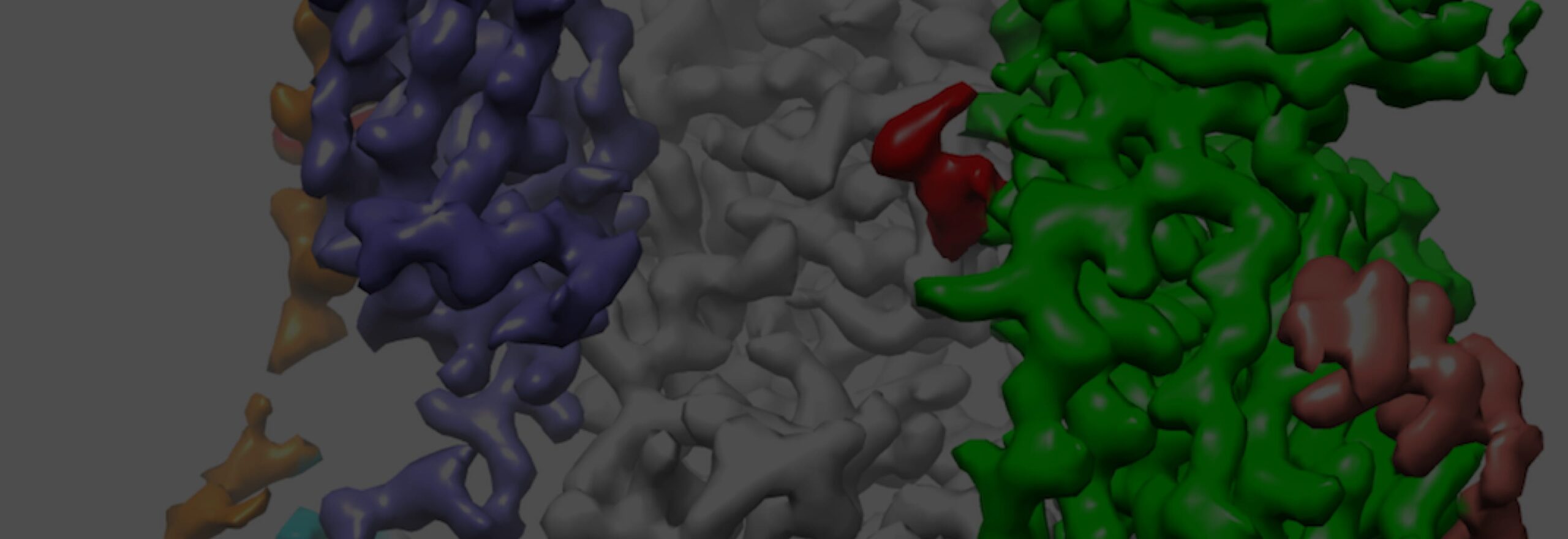
His research interests lie at the intersection of structural biology, biochemistry, and microbiology. Dr. Alzari's work focuses on elucidating the three-dimensional structures and functional mechanisms of proteins involved in critical bacterial processes such as cell division, cell wall synthesis, and metabolic regulation. His group employs a wide array of techniques, including X-ray crystallography, cryo-electron microscopy (cryo-EM), and biophysical methods, to study key systems like the PknA/PknB serine/threonine kinases and the divisome-elongasome machinery in Corynebacteriales. A significant theme in his recent work is the discovery of eukaryotic-like signaling and structural systems in bacteria, such as the repurposed gephyrin-like protein in cell division.
The trends in Dr. Alzari's recent publications (2023-2025) reveal a strong emphasis on integrative structural biology to solve complex problems in antimicrobial resistance and infectious disease. His work bridges fundamental science with drug discovery, particularly in developing new inhibitors for M. tuberculosis DNA gyrase and Plasmodium proteases. The research consistently involves high-resolution structural analysis (cryo-EM and crystallography) to understand enzyme mechanisms, inhibitor binding, and protein-protein interactions at the atomic level, providing a rational basis for therapeutic intervention.
Dr. Alzari has secured significant funding for his research, leading major projects such as the ongoing 'PknA/PknB in mycobacterial cell division' and the completed 'MM4TB' project. He mentors a dynamic team of researchers, including PhD students, postdoctoral fellows, and research engineers, fostering the next generation of scientists in the field.
His laboratory is a hub for structural microbiology, contributing to a deeper understanding of bacterial cell biology. The group's work on the divisome and elongasome in Actinobacteria has revealed crucial crosstalk between these machineries, identifying potential new targets for anti-mycobacterial drugs. The team's use of the Institut Pasteur's core facilities, such as the nanoimaging Cryo-EM core facility, underscores their commitment to cutting-edge methodology.