معرفی
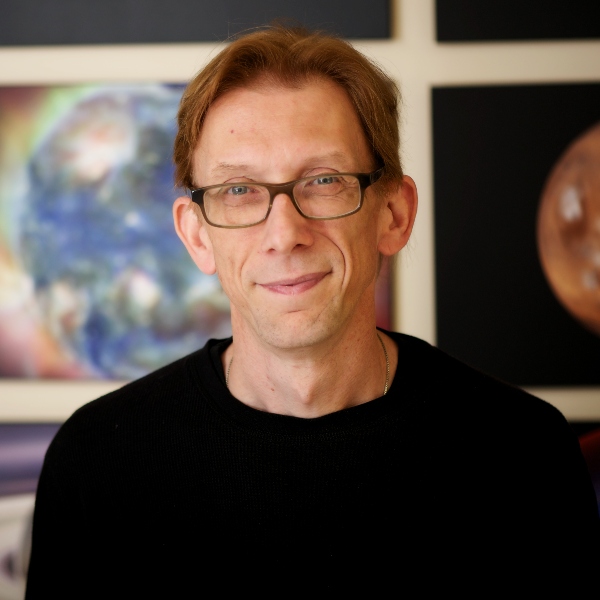
Paul Wallace is an Associate Professor of Physics & Astronomy and Chair of the Department at Agnes Scott College. He holds a PhD in Nuclear Physics from Duke University and a Master of Divinity (MDiv) from Emory University, reflecting his unique interdisciplinary expertise at the intersection of science and faith.
- Institution: Agnes Scott College
- Department: Physics & Astronomy
- Office: Bullock Science Center 107W
- Contact: pwallace@agnesscott.edu | 404.471.6469
Education:
- PhD in Nuclear Physics, Duke University
- MDiv, Emory University
Professor Wallace's research and teaching focus on the dialogue between science and religion, particularly how major scientific revolutions—such as the Copernican shift—have reshaped human understanding of the cosmos and our place within it. He explores how physics and astronomy interact with theological and philosophical questions, making complex scientific ideas accessible to broader audiences.
His scholarly work includes authoring three books on science and religion, with a fourth co-authored volume examining the science and cultural impact of the Copernican Revolution. Though no individual publications are listed, his intellectual trajectory emphasizes historical, philosophical, and educational dimensions of physics and astronomy.
Professor Wallace has been recognized through multiple professional appointments, including three Faculty Fellowships at NASA's Goddard Space Flight Center and participation in the Emory-Tibet Science Initiative in Dharmashala, India, highlighting his commitment to science communication and cross-cultural science education.
He advises students and leads curriculum development as Chair of the Physics & Astronomy Department. While specific advisees and grant funding are not mentioned, his leadership role and national engagements suggest active mentorship and academic administration. He has no listed scientific awards in the provided text.
Professor Wallace is involved in science outreach and education initiatives, particularly through international programs that integrate scientific training with philosophical and spiritual perspectives. His work with the Emory-Tibet Science Initiative reflects a sustained commitment to building bridges between scientific and contemplative worldviews.