معرفی
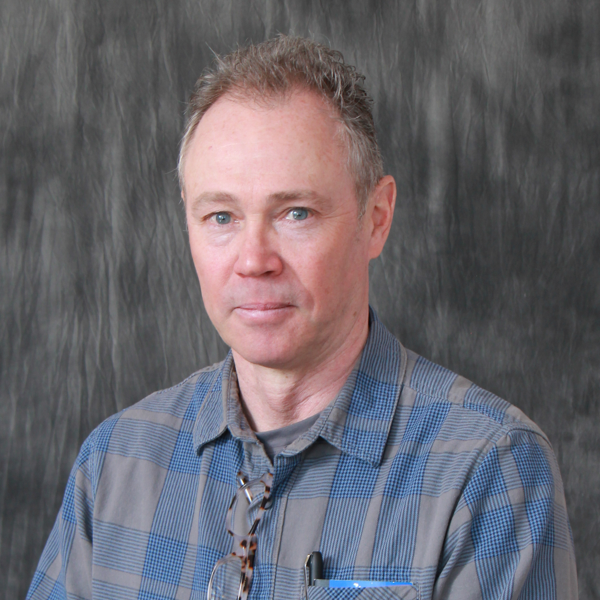
Paul Vivian is a Lecturer at the University of Salford's School of Arts, Media and Creative Technologies with over 25 years of experience in higher education, specializing in Fine Art and archaeoacoustics research. His current work investigates acoustic resonance in UK Neolithic stone circles, evolving from his earlier practice in painting, drawing, and sculpture.
Educated at Chelsea College of Art and Design and Norwich School of Art and Design (BA/MA Fine Art), Vivian's career spans institutions including Plymouth College of Art, Norwich City College, and the University for the Creative Arts. He maintains active roles as External Examiner for Fine Art programs and Validation Panel Member across multiple institutions.
His research centers on object animism, trace, and resonance in Neolithic contexts through archaeoacoustics fieldwork, creating innovative film and audio projects from stone-circle recordings. Complementary interests include curriculum design, risk-based pedagogical theory, autonomous learning frameworks, and cross-disciplinary industry engagement strategies for art students.
Recent outputs (2023-2025) reveal a distinct trajectory toward interdisciplinary art-archaeology projects exploring sonorous properties of ancient sites, presented at Tate Liverpool, Manchester Metropolitan University, and UCA conferences. His exhibitions like 'In Search of Ghosts' and 'Ventriloquism' demonstrate evolving methodologies bridging acoustic phenomena with contemporary artistic practice.
As an educational leader, Vivian has managed large-scale academic teams and strategic initiatives while contributing to pedagogical literature through book chapters like 'Professional practice: 20 questions' examining art-school-to-profession transitions. His external examiner roles reflect sector-wide recognition of his expertise in Fine Art curriculum development.
Vivian collaborates within the University of Salford's Art & Design Research Centre, where his Neolithic acoustics fieldwork informs both creative outputs and educational frameworks. Current projects include documenting resonance phenomena at sites like Swinside and Duddo Stones through experimental film and sound installations.