معرفی
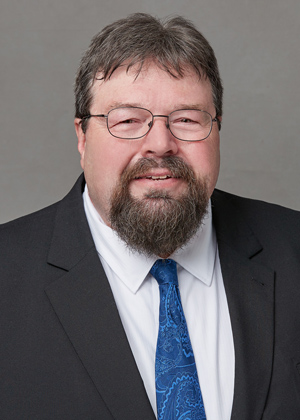
Paul S. Simone, Jr. is a Professor and Chair of the Department of Chemistry at The University of Memphis, where he has served since 2010 after beginning his academic career at The Citadel. His work bridges academic research, regulatory compliance, and commercial technology development focused on drinking water safety.
His educational background includes:
- Bachelor of Science in Chemistry (2002)
- Master of Science in Chemistry (2006)
- Doctor of Philosophy in Chemistry (2008)
Dr. Simone's research centers on developing automated analytical systems for detecting disinfection by-products like trihalomethanes (THMs) and haloacetic acids (HAAs) in drinking water. His work addresses critical regulatory challenges faced by water utilities through innovative instrumentation that enables real-time monitoring and process control. This research program uniquely integrates fundamental analytical chemistry with practical engineering solutions for water quality management.
His publication record shows consistent focus on advancing water analysis technologies, with recent work emphasizing low-cost, field-deployable systems using 3D printing and embedded computing. The research trajectory demonstrates progression from fundamental method development to commercial implementation through NSF-SBIR funding.
Dr. Simone has mentored 12 graduate students to completion, including 6 PhDs and 6 Master's students, with research spanning analytical method development, instrumentation, and water treatment optimization. His funding portfolio includes significant NSF-SBIR Phase I and II awards, USDA grants for rural water systems, and multiple contracts with water utilities and industry partners.
He leads the Mobile Analytical Monitoring and Miniaturization Laboratory (MAMML) partnership with over 30 utilities across multiple states and co-founded Foundation Instruments, Inc. to commercialize his analytical technologies. His outreach includes regional university collaborations and technical assistance for small water systems facing regulatory challenges.