معرفی
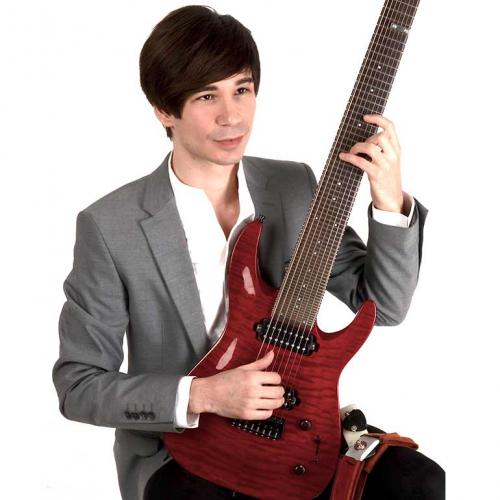
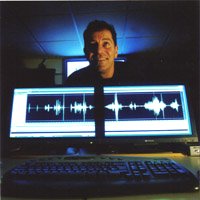
Paul Rhys is a Senior Lecturer at Anglia Ruskin University's Cambridge School of Creative Industries within the Faculty of Arts, Humanities, Education and Social Sciences. A composer and conductor specializing in computer-integrated music, his works span piano concertos to birdsong transformations and have been performed internationally, broadcast on radio, and recorded on CD.
His academic credentials include:
- PhD in Composition, Keele University (1996)
- Diploma in Digital Music Technology, Keele University
- PGCert Higher Education, Anglia Ruskin University
- BA (Hons), Oxford University
Rhys' research centers on Composition, Microtonality, Nineteen-note equal temperament, and Granular synthesis. He has developed specialized software for fractal micropolyphony and 19-note tuning performance, creating innovative works like the 19-note trumpet Dialogue and choral collections in alternative temperaments. His scholarship bridges computer science and music theory through publications in Computer Music Journal and conference proceedings.
Analysis of his 15 most recent publications reveals consistent focus on microtonal systems (particularly 19-note equal temperament) across diverse formats including choral works, instrumental compositions, software development, and theoretical explorations of granular synthesis. The trajectory demonstrates increasing integration of computational methods with traditional composition techniques.
His honors include:
- Wingate Foundation Scholarship for Northwestern University studies
- Visiting Fellowship at University of Western Australia
Rhys has supervised seven PhD candidates to completion (six in Music Composition, one in Cross-Cultural Composition), served as External Examiner for Queen's University Belfast's MA Composition program, and maintains active research roles through StoryLab. His ongoing projects include software refinement for microtonal performance and new choral works in 19-note tuning.
He directs performances through StoryLab and collaborates with ensembles like the K239 Orchestra, focusing on realizing complex microtonal works through specialized instrumentation and computer interfaces.