معرفی
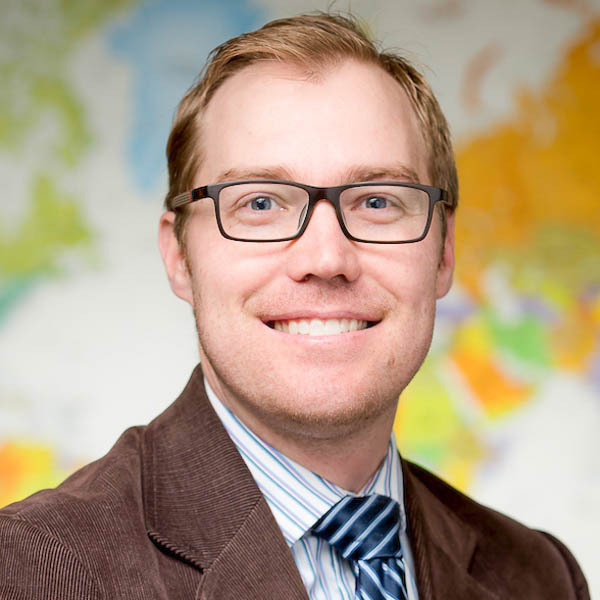
Paul Perrin is an Associate Professor of the Practice in the Keough School of Global Affairs at the University of Notre Dame and serves as the Director of Evidence and Learning at the Pulte Institute for Global Development. His roles combine academic leadership with practical expertise in global development, monitoring, and evaluation. He previously held senior positions at Catholic Relief Services (CRS) and the U.S. Agency for International Development (USAID), overseeing strategic initiatives such as global MEAL frameworks and ICT for Development strategies.
Dr. Perrin’s academic and professional work focuses on applying rigorous methodologies to international development challenges, emphasizing dignity-centered practices, humanitarian response, and implementation science. He holds a PhD in International Health from Johns Hopkins University, along with a Master of Public Health and BA in Linguistics from Brigham Young University.
His research interests span mixed-methods instrument development, resilience frameworks, and leveraging technology for vulnerable populations. Notable contributions include co-developing CRS’s global MEAL strategy and advancing dignity-focused interventions in displacement contexts. His interdisciplinary approach bridges academic research with actionable insights for policymakers and practitioners.
- Education:
- PhD in International Health, Johns Hopkins University (with Certificate in Humanitarian Assistance)
- MPH and BA in Linguistics, Brigham Young University
- Key Roles:
- Director of Evidence and Learning, Pulte Institute for Global Development
- i-Lab Academic Director, Keough School
- Former MEAL Director at Catholic Relief Services
- Research Trends:
- Integration of dignity principles into development programs
- Evaluation of private sector engagement in humanitarian aid
- Technology-driven solutions for community resilience
His work emphasizes translating evidence into practice, particularly in disaster response, global health, and marginalized populations. Collaborations span academic, governmental, and NGO sectors, reflecting his commitment to bridging theory and real-world impact.