معرفی
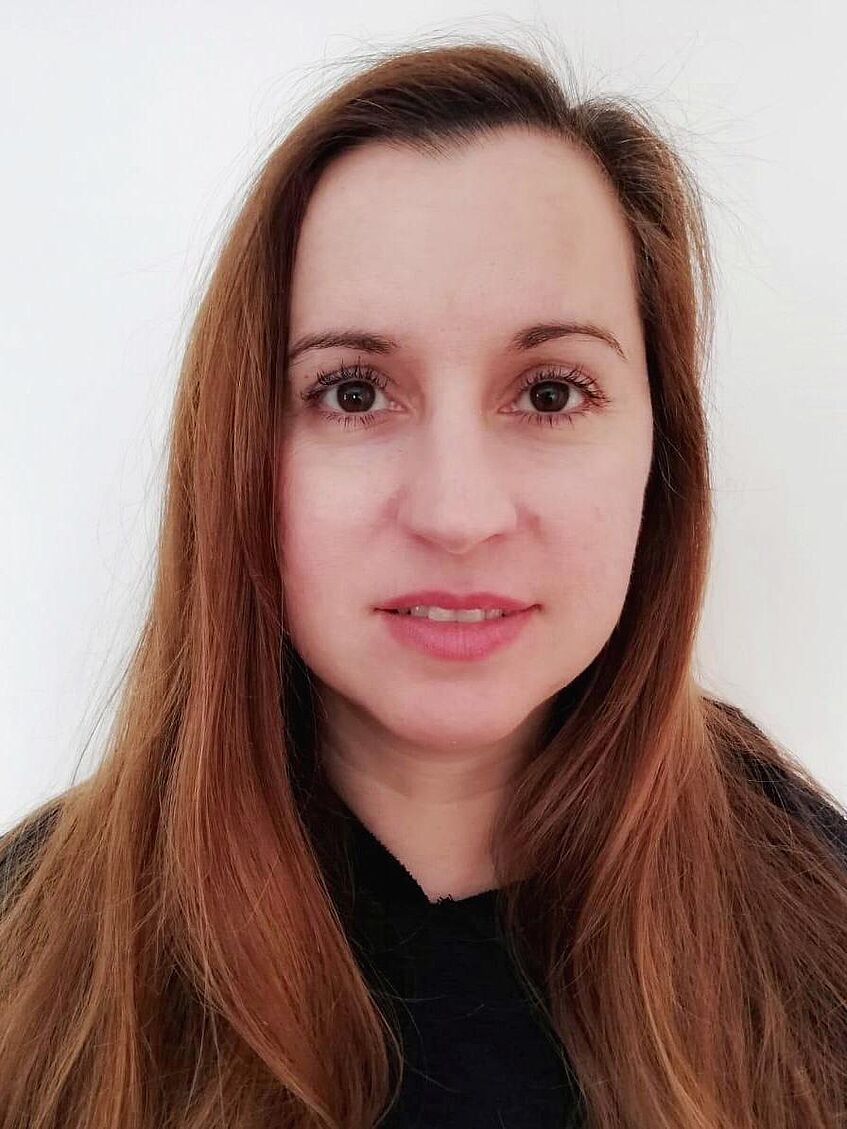
Dr. Paul Meijer is an Associate Professor in the Department of Earth Sciences within the Faculty of Geosciences at Utrecht University, Netherlands. His office is located in the Vening Meinesz Building A at Princetonlaan 8a, Room 246, Utrecht. With over 25 years of academic experience since earning his PhD from Utrecht University in 1995, he specializes in tectonophysics, physical paleoceanography, and numerical modeling, with a particular focus on Mediterranean geology and the Messinian Salinity Crisis.
Dr. Meijer's research primarily investigates the complex interplay between tectonics and climate in shaping sedimentary basins, particularly focusing on the Mediterranean region. His work employs advanced mathematical modeling to understand:
- The mechanisms behind the Messinian Salinity Crisis
- Evolution of marine gateways and their impact on ocean circulation
- Sapropel formation processes in the Mediterranean
- Plate tectonics and kinematics, particularly in the Mediterranean and surrounding regions
Analysis of Dr. Meijer's recent publications reveals a consistent focus on Mediterranean paleoenvironmental reconstruction, with particular emphasis on the Messinian Salinity Crisis. His work demonstrates expertise in modeling basin evolution, evaporite deposition, and the complex interactions between tectonic processes and climate change. The research shows increasing sophistication in numerical modeling approaches, moving from conceptual box models to more complex simulations of basin dynamics, circulation patterns, and sedimentary processes.
Dr. Meijer has successfully supervised numerous PhD students including Sander Keulers, Ronja Ebner, Pieter Dirksen, Dirk Simon, Alba de la Vara, Robin Topper, and Pasha Karami. His research has been supported by various funding organizations including NWO (Dutch Research Council), UCG, and specific projects like SaltGiant, ISES, and MedGate. These projects have enabled significant contributions to our understanding of Mediterranean geological history and global climate impacts.