معرفی
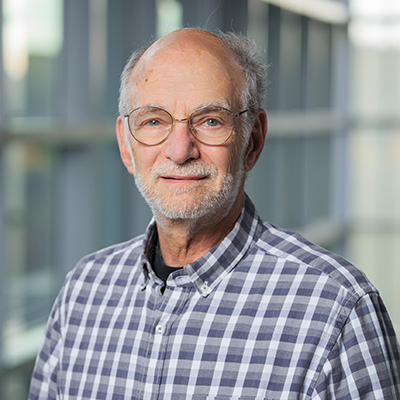
Paul E. Hardin holds the John W. Lyons Jr. ’59 Chair and is a Distinguished Professor of Biology at Texas A&M University, internationally recognized for pioneering the molecular framework of circadian clocks. Previously, he served as Professor at the University of Houston (2000-2004) and Assistant Professor at Texas A&M (1991-1995), returning to Texas A&M in 2005 after establishing foundational work on transcriptional feedback loops in Drosophila that contributed to the 2017 Nobel Prize in Physiology or Medicine.
Education
- Bachelor of Science in Biology, Southern Methodist University (1982)
- Ph.D. in Genetics, Indiana University (1987)
- Postdoctoral Fellowship, Brandeis University (Laboratory of Dr. Michael Rosbash, Nobel Laureate)
Dr. Hardin’s research defines circadian timekeeping mechanisms across eukaryotes, focusing on transcriptional control, interlocking feedback loops, and peripheral tissue clocks. His work provides the molecular basis for understanding human circadian disorders in sleep, metabolism, and disease, bridging fruit fly genetics to translational medicine through rigorous genetic and molecular approaches.
Scientific Awards and Honors
- Aschoff-Honma Prize, Honma Life Science Foundation, Japan (2003)
- Association of Former Students Distinguished Research Award (2017)
- Indiana University Biology Distinguished Alumnus Award (2019)
- Fellow, American Association for the Advancement of Science (2020)
Dr. Hardin demonstrates exceptional service through NIH study section leadership (Biological Rhythms and Sleep; Neurodifferentiation), presidency of the Society for Research on Biological Rhythms (2014-2016), and editorial roles at the Journal of Biological Rhythms. As an educator, he champions student-centered mentorship, fairness in assessment, and strategic career development advice for emerging scientists, emphasizing lab culture and foundational training over narrow research interests.