معرفی
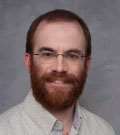
Paul Desan, MD, PhD, serves as Associate Professor of Psychiatry at Yale School of Medicine, where he directs both the Psychiatric Consultation Service and the Yale Consultation-Liaison Psychiatry Fellowship. His clinical work focuses on psychosomatic medicine, helping patients manage mental health concerns alongside physical illnesses through comprehensive assessment and treatment planning.
Dr. Desan's educational journey includes an AB from Princeton University (1977), PhD from Harvard Medical School (1984), MD from Yale University (1993), Postdoctoral Fellowship at University of Colorado (1987), Fellowship at Stanford University Medical Center (1990), and Psychiatry Residency at Massachusetts General Hospital (1997).
His research centers on mood disorders, particularly Seasonal Affective Disorder (SAD), and sleep-wake disorders, with significant contributions to understanding how environmental factors influence mental health. Dr. Desan's work bridges neuroscience and clinical practice, investigating the role of photoreceptors in mood regulation and developing evidence-based approaches to psychiatric consultation in medical settings.
Analysis of his publication record reveals a sustained focus on improving psychiatric care delivery in general hospitals, with particular emphasis on proactive consultation models that reduce length of stay and improve patient outcomes. His research spans both clinical applications and theoretical frameworks in psychosomatic medicine.
Professional recognition includes:
- Roger Coleman Award (2016) from the Connecticut Psychiatric Society
- Best Original Research award (2012) in the journal Psychosomatics from the Academy of Psychosomatic Medicine
- Award for Service (2011) from the Connecticut Psychiatry Society
Through his fellowship directorship, Dr. Desan trains future specialists in consultation-liaison psychiatry, emphasizing the integration of psychiatric care into comprehensive medical treatment. His collaborations with colleagues like Paula Zimbrean extend his impact into transplant psychiatry and specialized medical populations.