معرفی
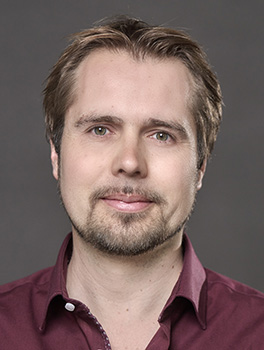
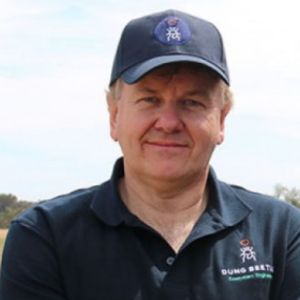
Paul Adam Weston is a researcher at the Gulbali Research Institute, Charles Sturt University, Australia. He is actively engaged in interdisciplinary research at the intersection of chemical ecology, metabolomics, and agricultural science, with a focus on plant–microbe–herbivore interactions and sustainable weed management. His work contributes significantly to understanding rhizosphere biochemistry, allelopathy, and the ecological roles of secondary metabolites.
- PhD in Entomology, Michigan State University (1986)
- MS in Electrical Engineering/Systems Science, Michigan State University (1981)
- BS in Biology, Cornell University (1979)
His research interests center on chemical ecology, metabolomics, and weed science, particularly in the context of sustainable agriculture. He investigates how plants use secondary metabolites for defense, how these compounds interact with soil microbiota, and how they influence herbivore behavior—especially in dung beetles and agricultural pests. His work bridges entomology, biochemistry, and systems modeling.
Recent publications highlight trends in untargeted metabolomic analysis, chemometric modeling, and volatile-mediated insect behavior. His studies often involve advanced mass spectrometry, bioinformatics, and field-based ecological assessments. He frequently collaborates with Professor Leslie A. Weston and other experts in plant science and biocontrol.
Paul Adam Weston has contributed to impactful research with economic and environmental implications, including projects on livestock photosensitisation and weed suppression through competitive cropping. He is a registered HDR supervisor and has co-led multidisciplinary research initiatives. His work supports sustainable agricultural practices and contributes to the development of bioherbicides and eco-friendly pest management strategies.
He is involved in several key research teams and projects at the Gulbali Research Institute, particularly those focused on rhizosphere dynamics, metabolite profiling, and biocontrol agent deployment. His lab integrates field ecology with cutting-edge analytical chemistry and data science to address real-world agricultural challenges.