معرفی
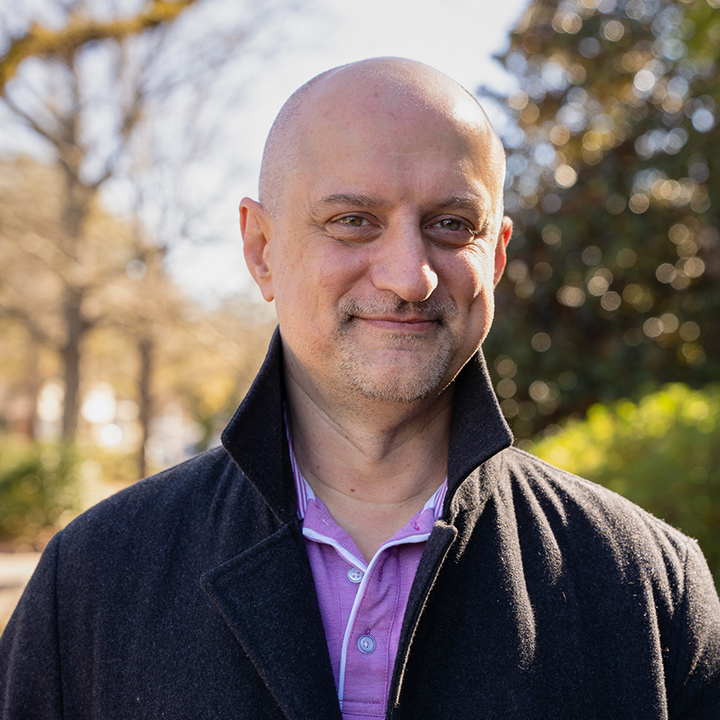
Paul A. Cobine is the Lawrence C. Wit Professor and Chair of the Department of Biological Sciences at Auburn University, where he leads an active research program in metal ion homeostasis and mitochondrial biology. He teaches undergraduate and graduate courses including General Microbiology, Clinical Microbiology, and Model Systems and Disease.
- Ph.D., The University of Queensland, Australia (2004)
- Postdoctoral Fellow, University of Utah (2007)
- B.S., The University of Queensland, Australia (1996)
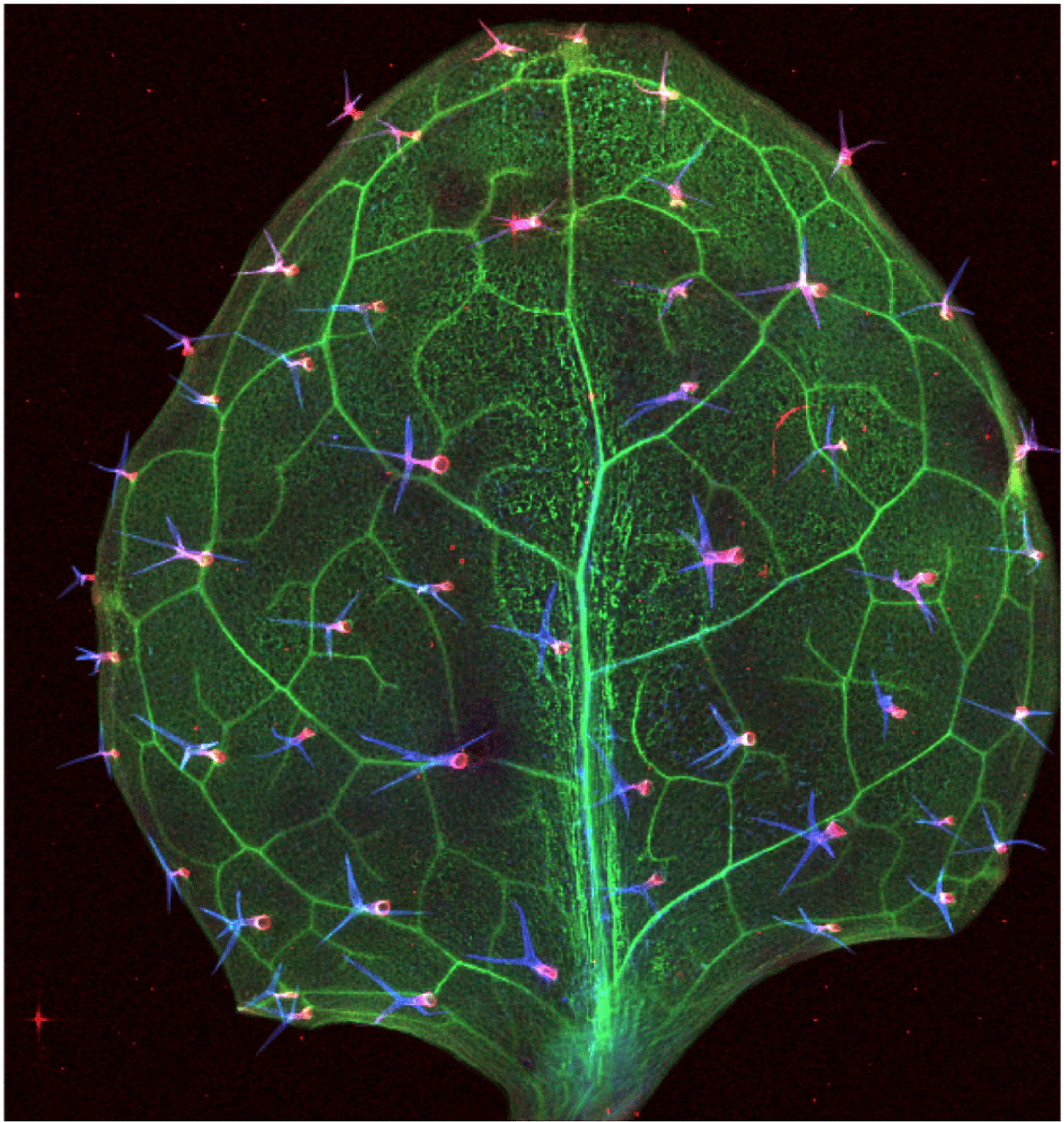
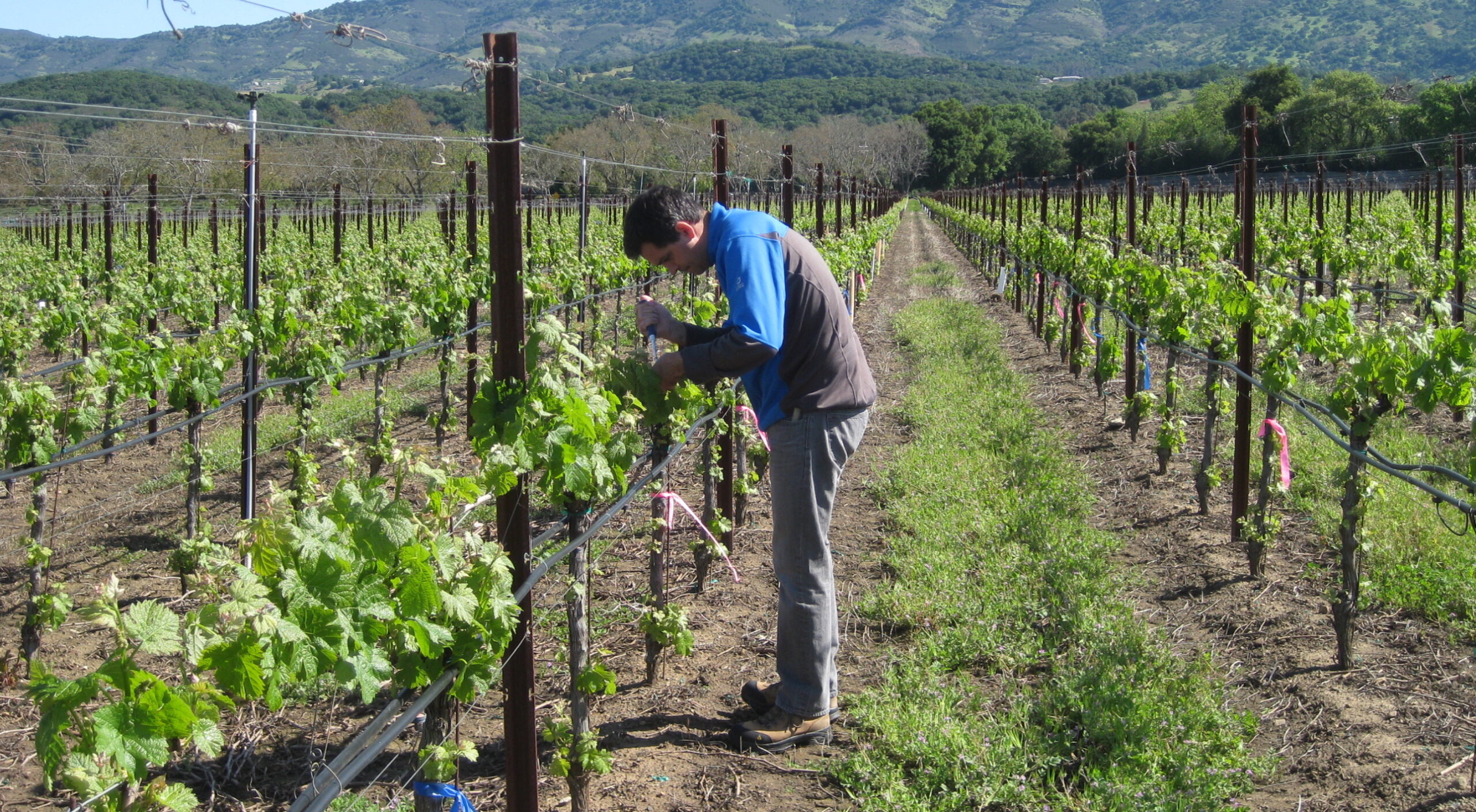
His research focuses on the mechanisms of copper and iron distribution in mitochondria, using Saccharomyces cerevisiae and the plant pathogen Xylella fastidiosa as model systems. He investigates how metals are transported, stored, and utilized in organelles, with implications for human diseases such as mitochondrial disorders and neurodegeneration, as well as agricultural diseases like Pierce’s disease in grapes.
The recent publications highlight a strong trend in mitochondrial copper transport (e.g., SLC25A3/Pic2), copper-induced cell death (cuproptosis), and the role of metal homeostasis in plant pathogenesis. His work bridges biochemistry, genetics, and physiology, with applications in both medicine and agriculture.
Notable scientific contributions include identifying mitochondrial carriers as copper transporters and elucidating metal-dependent virulence mechanisms in X. fastidiosa. His lab is supported by NIH and NIFA grants.
He has mentored numerous graduate and undergraduate students, many of whom have completed theses on mitochondrial copper, iron metabolism, and bacterial ionomics. His lab collaborates with researchers at the University of Saskatchewan and within Auburn University’s Department of Entomology and Plant Pathology.
Research in the Cobine Lab spans three main areas: mitochondrial copper in yeast, mitochondrial copper in mammalian cells, and ionomics of plant disease caused by X. fastidiosa, aiming to understand how metals influence cellular function and disease progression.