معرفی
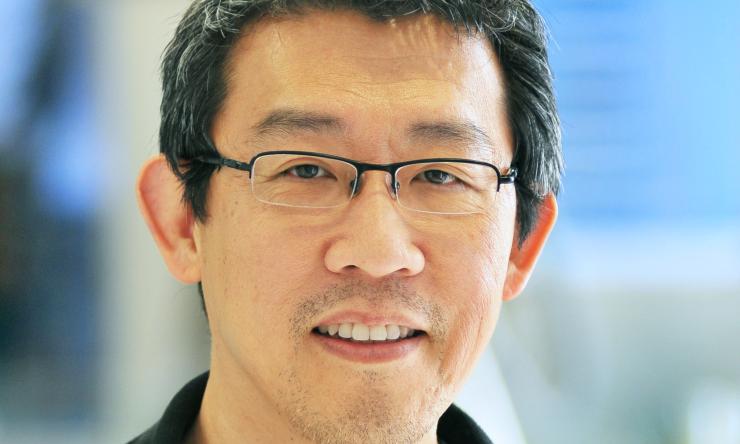
Ole William Petersen is a Professor in the Department of Cellular and Molecular Medicine at the University of Copenhagen, Faculty of Health and Medical Sciences, where he leads the Morphogenesis and Differentiation Program. His research focuses on human breast epithelial stem cell biology and tumor microenvironment.
Dr. Petersen's research group has made several discoveries in breast stem cell biology, with particular expertise in cell culture models and humanized mouse models for breast morphogenesis. The lab has developed antibody libraries suitable for FACS-screening and elucidating breast tumor heterogeneity. A major focus of the research program is devising culture conditions for stem cell expansion and single cell cloning, along with multicolor imaging techniques for studying multipotency and lineage evolution.
His current research investigates the effect of pregnancy levels of estrogen on human estrogen receptor positive cells, the cellular origin of estrogen receptor positive breast cancer, the role of stroma in maintaining tissue homeostasis, and the characterization of double positive progenitor cells. These research areas aim to better understand the origins of breast cancer and develop improved preventive measures and precision medicine approaches.
Dr. Petersen has authored 85 peer-reviewed scientific publications in high impact journals and maintains an h-index of 43. His work has contributed significantly to understanding breast cancer stem cells and their relationship to normal breast development.
- Board member of the "Margrethe and Christian Hermansens, Foundation" (1998-present)
- Member of the International committee of reviewers for the UICC fellowship program in Experimental Pathology (1998-present)
- Member of the French National Institute of Health's "INSERM" expert team (2000-present)
- Chairman of The Danish Cancer Research Foundation (2004-present)
Dr. Petersen has served in various administrative roles including Head of Department for the Institute of Medical Anatomy (2000-2006) and the Institute of Cellular and Molecular Medicine (2007-present).