معرفی
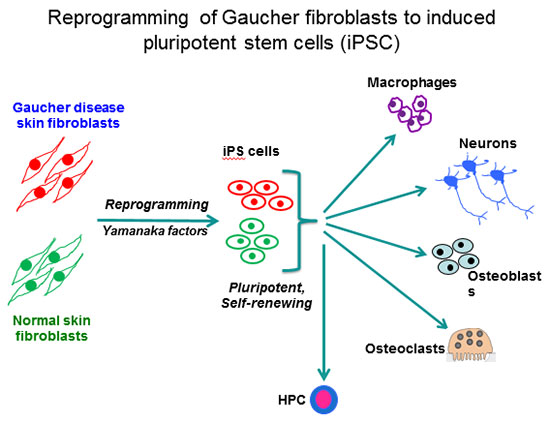
Ola A. Awad is an Assistant Professor in the Department of Microbiology and Immunology at the University of Maryland School of Medicine. Her research focuses on regenerative medicine and neurodegenerative disorders, particularly Parkinson’s disease (PD), utilizing induced pluripotent stem cell (iPSC) models. She has expertise in lysosomal dysfunction, autophagy regulation, and transcription factor EB (TFEB) signaling.
Education:
- MBBCh (Medicine and Surgery), Suez Canal University School of Medicine, Egypt (1992)
- M.Sc. (Histology and Cell Biology), Suez Canal University (2001)
- PhD (Anatomy and Cell Biology), University of Iowa (2007)
- Postdoctoral training: Pediatric Oncology (Johns Hopkins, 2009) and Neurodegeneration (UMSOM, 2014)
Research Interests: Dr. Awad investigates mechanisms linking GBA1 mutations to PD pathogenesis, focusing on TFEB-mediated lysosomal biogenesis and mTORC1 signaling. Her work aims to develop therapies targeting mitochondrial dysfunction and endoplasmic reticulum stress in neurodegenerative diseases.
Highlighted Contributions: Her lab discovered that GBA1 mutations disrupt TFEB activity, leading to lysosomal dysfunction in iPSC-derived neurons. Recent work explores novel therapeutic targets for autophagy modulation and mTOR pathway inhibition.
Awards:
- Tung-Yang Award (University of Iowa, 2006)
- National Institutes of Health R21 Grant (2021)
- Maryland Stem Cell Research Fund Discovery Award (2019)
Grants & Collaborations: Active funding includes NIH/NINDS support for mTORC1-TFEB axis research and Michael J. Fox Foundation grants for PD therapeutic development. Her work integrates stem cell biology, drug screening, and in vivo xenograft models.
Labs: Leads a multidisciplinary team at the University of Maryland focused on iPSC-based disease modeling and translational neuroscience.