معرفی
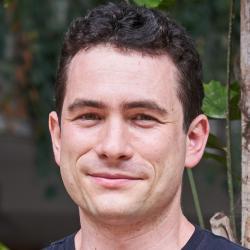
OHASHI Jun is a Professor at the Graduate School of Science, University of Tokyo, specializing in Human Genetics. His research centers on natural selection and human genome diversity, integrating anthropological perspectives with genomic analysis to explore human evolutionary history and adaptation.
His primary research spans population genomics and ancient DNA studies, with focus on the Jomon people of Japan, dispersal of modern humans in the Japanese archipelago during the last glacial period, and reconstruction of genetic relationships among prehistoric human remains. He investigates physiological and metabolic adaptations through Jomon-derived iPSC models.
Additional research extends to infectious disease genetics, particularly hepatitis B virus-related hepatocellular carcinoma mechanisms and malaria drug resistance dynamics in African populations. His work combines genomic, physiological, and anthropological approaches to understand human evolutionary trajectories and disease susceptibility.
Professor OHASHI leads multiple Japan Society for the Promotion of Science Grant-in-Aid projects, including Principal Investigator roles for Teotihuacan civilization history reconstruction and remote Oceania migration genetics. As Co-Investigator, he contributes to projects on Jomon iPSC-based physiology profiling, hepatitis B risk prediction, thermogenic capacity diversity, and malaria resistance containment strategies across Africa and Japan.