معرفی
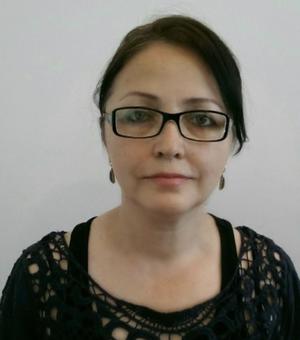
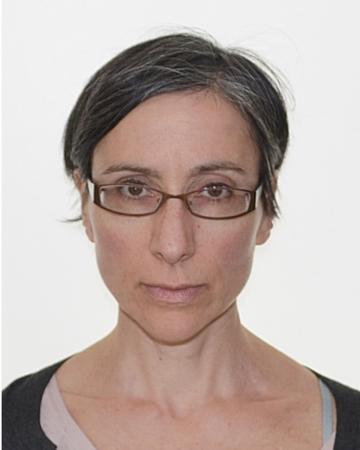
Nora K. Schmid is a Departmental Lecturer in Islamic Studies at the University of Oxford, affiliated with the Faculty of Asian and Middle Eastern Studies (AMES). Her academic work focuses on the Qur'an as a late antique text, Arabic asceticism, and the intellectual traditions of pre-Islamic Arabia, positioning her research at the intersection of religious studies, literary analysis, and historical criticism within early Islamic scholarship.
Dr. Schmid's primary research interests include:
- The Qur’an as a late antique text
- Arabic asceticism
- The intellectual and literary traditions of pre-Islamic Arabia
- Arabic literature and religious culture (especially sermons and poetry)
- Islamic law
Her scholarship consistently bridges philological precision with contextual historical analysis, revealing how early Islamic religious texts emerged from and engaged with the broader religious landscape of late antiquity. This approach illuminates connections between pre-Islamic Arabian heritage and formative Islamic thought.
Analysis of Dr. Schmid's publication record reveals a strong thematic focus on Qur'anic literary structures, rhetorical devices, and their relationship to late antique religious traditions. Her work frequently examines light imagery, oaths, interrogative rhetoric, and ethical exhortation in the Qur'an, while also exploring ascetic traditions, biblical narrative reception, and the Christianization of pre-Islamic poetry. This body of work demonstrates consistent interdisciplinary methodology combining textual criticism, literary analysis, and historical contextualization.
No scientific awards or major prizes have been documented for Dr. Schmid in available sources.
The provided information does not specify any doctoral or master's students advised by Dr. Schmid, nor details of research grants she may have secured. Her current role as Departmental Lecturer indicates primary responsibilities in teaching and research within Oxford's Islamic Studies department.
There is no mention of Dr. Schmid leading or participating in specific research laboratories, centers, or collaborative teams in the available institutional data.