معرفی
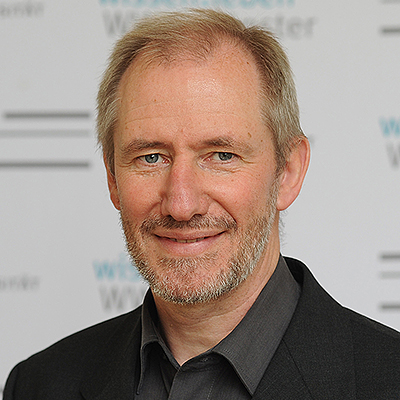
Prof. Dr. Noelia Alonso Gonzalez is a Professor at the University of Münster's Faculty of Medicine, where she leads the Alonso Gonzalez Group focused on "Mechanisms of Macrophage Plasticity" at the Institute of Immunology. She joined the university in 2017 as a Researcher and became a Junior Group Leader in 2018 through the Gerty Cori Programme, a career development initiative within the "Cells in Motion" research network designed to promote gender equality in science.
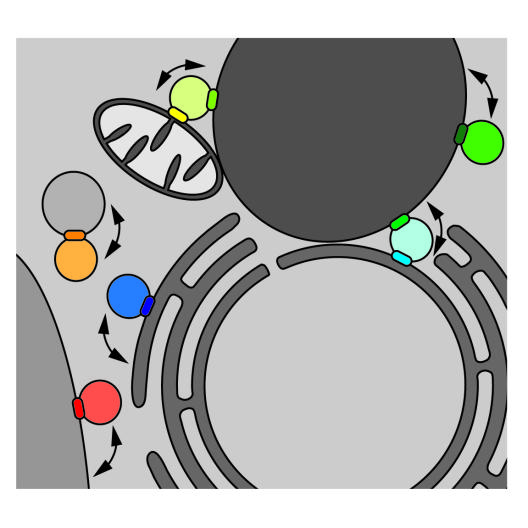
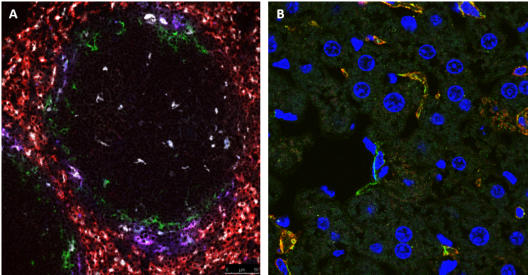
Her research investigates how inflammation resolves before becoming chronic or life-threatening, with particular emphasis on macrophages - immune cells that eliminate dead cells and produce tissue-repair molecules. She studies how different macrophage populations recognize and adapt to inflammatory processes across various organs, employing state-of-the-art genomics, imaging approaches, and in vivo disease models. Her work combines transcriptional regulation studies with cellular imaging to understand macrophage-lymphocyte interactions during development and inflammation.
Dr. Alonso Gonzalez's publications reveal a consistent focus on macrophage biology, with recent work expanding into neuroimmunology, thrombosis, and infectious disease complications. Her research shows strong interdisciplinary connections between immunology, molecular biology, and tissue-specific inflammatory responses, with particular emphasis on lipid metabolism, transcription factor regulation, and cellular plasticity.
- Humboldt Research Fellowship recipient (2017)
- Active participant in the "Cells in Motion" interdisciplinary research center
- Supervisor in the CiM-IMPRS Graduate Programme
- Recipient of third-party funding for Collaborative Research Centers
As both a scientist and mother of two young children, Dr. Alonso Gonzalez actively engages with university childcare services while advocating for equitable sharing of family responsibilities. She serves as a role model for junior scientists, particularly women, encouraging them to pursue leadership positions in academic research despite societal expectations about gender roles.