معرفی
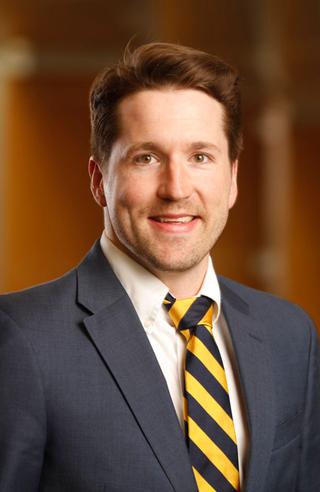
Nimish A. Mohile, M.D. is a Professor in the Department of Neurology, Neuro-Oncology at the University of Rochester School of Medicine and Dentistry. He serves as the Ann Aresty Camhi Professorship in Neurology and is affiliated with the Wilmot Cancer Center at Strong Memorial Hospital in Rochester, NY. Dr. Mohile is certified in Neurology and Neuro-oncology by the American Board of Psychiatry & Neurology.
Dr. Mohile completed his medical degree at St. George's University School of Medicine, followed by residency training at Northwestern University and fellowship in Neuro-oncology at Memorial Sloan-Kettering Cancer Center. He joined the University of Rochester in 2007 where he built and fostered the neuro-oncology division and multi-disciplinary brain tumor program.
His research focuses on developing and testing therapeutic and supportive care interventions to improve and extend the lives of patients with malignant gliomas. With over 50 peer-reviewed publications, his work explores burdens experienced by patients with brain tumors and caregivers related to hospitalizations, seizures, decision-making and end-of-life care. Recent publications demonstrate his growing focus on health equity in neurology, LGBTQI+ healthcare, disability access, and Spanish-language neurology services.
Dr. Mohile has received numerous teaching awards including the A. B. Baker Teacher Recognition Award (2015) and Neurology Faculty Teaching Award (2011). His commitment to education is evident in his publications on neurology education and resident-centered outcomes.
As a clinician, Dr. Mohile sees patients with primary and metastatic brain tumors, administers chemotherapy, treats seizures, and manages side effects of brain tumors and their therapies. He also provides consultations for patients with neurologic complications of cancer or cancer treatments. He is currently the principal investigator of several industry-sponsored, investigator-initiated and NCI-funded clinical trials, including studies on early telehealth visits for advanced directives in high-grade glioma patients and genomically-guided treatment for brain metastases.