معرفی
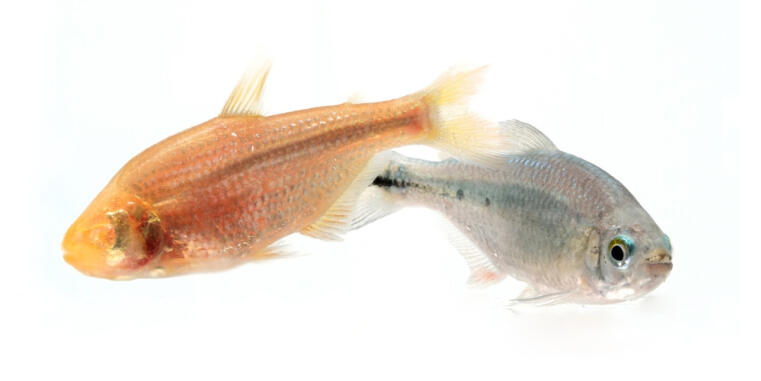
Prof. Dr. Nicolas Rohner leads the Evolutionary Physiology research group at the University of Münster's Institute of Integrative Cell Biology and Physiology. His lab investigates genetic and physiological adaptations to extreme environments, focusing on metabolic resilience in nutrient-scarce conditions using the Mexican cavefish (Astyanax mexicanus) as a primary model. Key research areas include starvation resistance, fat storage mechanisms, glucose regulation, and immune system evolution in subterranean environments.
The team employs an integrative approach combining comparative physiology, genomics, transcriptomics, metabolomics, and CRISPR-based functional validation. Research themes include:
- Genetic basis of starvation resilience and metabolic health maintenance
- Evolution of cavefish immune systems under low-parasite conditions
- Conserved metabolic pathways relevant to human disorders
Recent publications (2024-2025) demonstrate strong focus on evolutionary adaptations:
- Predominant themes: metabolic regulation (55% of papers), sensory evolution (22%), and genomic architecture (23%)
- Emerging methodologies: single-cell transcriptomics, Hi-C chromatin analysis, and cross-species CRISPR validation
- Notable trend: Integration of multi-omics data to explain phenotypic adaptations
The lab actively recruits students and collaborators for projects on evolutionary physiology and cellular adaptation.