معرفی
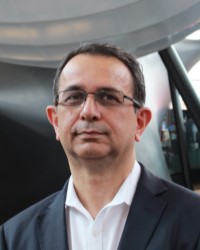
Nick Spencer is a Matthew Flinders Professor at the College of Medicine and Public Health at Flinders University, where he has been a faculty member for over 14 years. He is also a Full Member of the Flinders Health and Medical Research Institute. His research focuses on the neurophysiology of visceral pain pathways and gut-brain axis control mechanisms, with significant contributions to autonomic neuroscience.
Professor Spencer earned his BSc(Hons) in 1995 and PhD in Neurophysiology in 1998 from Monash University, Australia. After completing his PhD, he spent 9 years at the University of Nevada School of Medicine, initially as a postdoc and then as an Assistant Professor, before joining Flinders University in 2007.
Spencer's research laboratory is dedicated to developing novel techniques that address previously unresolved questions in autonomic neuroscience. His work primarily focuses on understanding pain pathways in visceral organs and neural control mechanisms of the gut-brain axis. Notably, in 2018, he published the first wireless optogenetic control of the gut with Dr. Hongzhen Hu in the journal Gastroenterology. Many of the techniques developed in his laboratory are unique and not available elsewhere.
His recent publications demonstrate a strong focus on enteric neuroscience, gut-brain communication, and innovative technologies like wireless optogenetics. The articles span disciplines including neuroscience, gastroenterology, and biomedical engineering, with specific subfields covering mechanosensation, neural circuits, sensory neurons, and gut homeostasis. His work shows a progression toward increasingly sophisticated methods for studying gut-brain interactions.
- NHMRC Project Grant 2019 APP1156427 for research on visceral pain, pain pathways, and optogenetics
Professor Spencer has been a "balanced academic" at Flinders University, devoting 40% of his time to research. He has served as Chief Investigator on 19 federally-funded grants totaling over $8 million AUD, including 15 NHMRC project grants and 4 ARC Discovery grants. He has mentored students in areas including colonic motility, Down syndrome, diabetes, enteric neuroscience, and uterine smooth muscle physiology. His supervision approach combines technical innovation with deep physiological understanding.
His laboratory maintains active collaborations with numerous international institutions and pharmaceutical companies, including Vibrant (Israel), Ironwood (USA), Glaxo Smith Kline (UK), and Fonterra (New Zealand), as well as research partnerships with University of Uppsala, Washington University, Northwestern University, Duke University, and others. These collaborations facilitate the translation of basic research into potential clinical applications.